
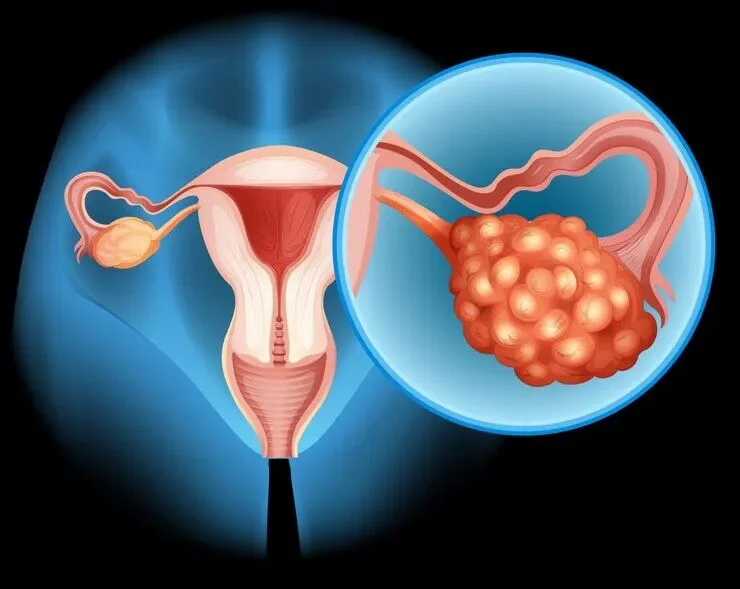
Cervical cancer is an important women’s health condition that can often be detected early through regular screening and is frequently associated with HPV infection. The most critical point is this: cervical cancer may not cause any symptoms in its early stages. This means early detection is possible even before symptoms such as bleeding, pain, or abnormal discharge occur. With regular gynecological check-ups and, when necessary, Pap smear testing, HPV testing, and colposcopy, cellular changes in the cervix can be identified before cancer develops. Gynecologist in Izmir Op. Dr. Sadık Sözdinler aims to monitor cervical health regularly without causing unnecessary anxiety, interpret HPV-positive and abnormal smear results accurately, and create a personalized screening and treatment plan for early detection.
What Is Cervical Cancer?
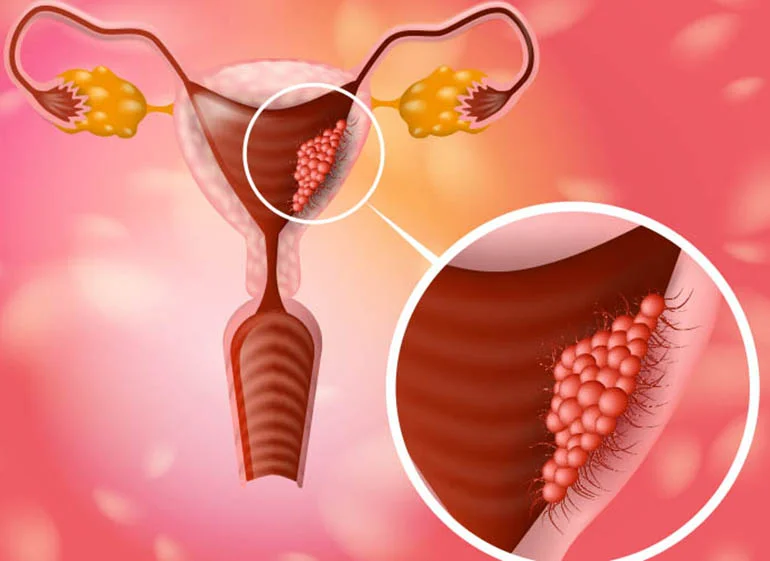
Cervical cancer is a type of cancer that develops in the cervix, the lower part of the uterus that opens into the vagina. In most cases, it is associated with persistent infection caused by high-risk HPV types. However, being HPV positive does not necessarily mean that a person will develop cancer.
Cellular changes in the cervix often develop gradually over several years. For this reason, regular screening can help detect high-risk changes before cervical cancer develops.
What Are the Symptoms of Cervical Cancer?
Cervical cancer may progress silently in its early stages. When symptoms do occur, they may resemble those of other gynecological conditions. Therefore, any suspicious symptoms should be evaluated without delay.
Symptoms that may require attention include:
-
Bleeding after sexual intercourse
-
Bleeding between menstrual periods
-
Bleeding after menopause
-
Foul-smelling or bloody vaginal discharge
-
Pelvic pain
-
Pain during sexual intercourse
-
Lower back, leg, or groin pain in advanced stages
Does HPV Cause Cervical Cancer?
HPV is one of the most important risk factors for cervical cancer. High-risk HPV types, particularly HPV 16 and HPV 18, can cause cellular changes in the cervix over time. However, a significant proportion of HPV infections can be controlled and cleared by the immune system.
What matters most is the HPV type, whether the infection persists, the smear result, and whether cellular changes are present in the cervix. Therefore, an HPV-positive result should not automatically cause panic, but it does require appropriate follow-up.
Can a Pap Smear Detect Cervical Cancer?
A Pap smear is a screening test in which cells collected from the cervix are examined. Its main purpose is not to diagnose cancer definitively, but to detect precancerous cellular changes at an early stage.
An abnormal smear result does not always mean cancer. Infection, inflammation, or HPV-related cellular changes may also cause abnormal findings. Depending on the result, repeat testing, HPV testing, or colposcopy may be recommended.
Why Is an HPV Test Performed?
An HPV test is used to detect the presence of high-risk HPV types in the cervix. While a Pap smear evaluates cellular changes, an HPV test helps identify virus types associated with a higher risk of cervical cancer.
In some age groups, HPV testing may be used alone, while in others it may be combined with a Pap smear. The result should always be interpreted together with the patient’s age and previous screening history.
When Is Colposcopy Needed?
Colposcopy is a procedure that allows the cervix to be examined in detail using a special magnifying system. It may be recommended when a high-risk HPV type is detected, when abnormal cells are found on a smear test, or when the cervix appears suspicious during examination.
If an abnormal area is seen during colposcopy, a biopsy may be taken. The biopsy result is important for determining the severity of the cellular changes and whether treatment is necessary.
Does the HPV Vaccine Protect Against Cervical Cancer?
The HPV vaccine can help protect against several high-risk HPV types associated with cervical cancer. The vaccine provides the greatest benefit when administered before exposure to HPV, although it may also be considered for some adults after medical evaluation.
The HPV vaccine does not treat an existing HPV infection. Women who have been vaccinated should still continue age-appropriate Pap smear and HPV screening.
How Is Cervical Cancer Treated?
Treatment for cervical cancer is planned according to the stage of the disease, tumor size, extent of spread, the patient’s age, and fertility expectations. Surgical options may be considered in early-stage disease, while radiotherapy, chemotherapy, or combined treatments may be required in more advanced stages.
Accurate diagnosis and treatment planning are extremely important when cervical cancer is suspected. Treatment decisions should not be based on a single test result alone, but on biopsy findings and imaging results together.
How Can Cervical Cancer Be Prevented?
-
Have age-appropriate Pap smear and HPV screening
-
Discuss HPV vaccination with your doctor
-
Avoid smoking
-
Take precautions against sexually transmitted infections
-
Do not ignore abnormal bleeding or vaginal discharge
-
Do not delay colposcopy if it has been recommended
-
Continue regular gynecological check-ups
Which Department Should You Visit for Cervical Cancer and HPV?
For cervical cancer and HPV-related concerns, patients should consult the Department of Obstetrics and Gynecology. Following examination and testing, treatment and follow-up options are planned individually according to the patient’s overall condition.
Gynecologist Op. Dr. Sadık Sözdinler evaluates suitable patients and plans their follow-up and treatment according to individual clinical findings.
Conclusion
The most important step in cervical cancer management is detecting high-risk changes at an early stage. Izmir gynecologist Op. Dr. Sadık Sözdinler evaluates Pap smear results, HPV testing, the need for colposcopy, cervical examination findings, vaccination status, and individual risk factors together.
The aim is to create a scientific and understandable follow-up plan without causing unnecessary fear, interpret abnormal results accurately, and protect cervical health through early intervention when necessary.
Frequently Asked Questions
Does Cervical Cancer Cause Symptoms in the Early Stages?
Often, it does not. For this reason, screening tests such as Pap smear and HPV testing should be performed regularly according to recommended schedules.
Does Being HPV Positive Mean I Have Cancer?
No. An HPV-positive result is not a diagnosis of cancer. The HPV type, Pap smear result, and follow-up plan should be evaluated together.
Is a Pap Smear Painful?
A Pap smear is usually a brief procedure and does not cause significant pain for most patients. Mild discomfort may occur.
Can Cervical Cancer Occur in Young Women?
Yes. Although risk may increase with age, HPV-related cellular changes can also be detected in younger women.
Can Colposcopy Diagnose Cancer?
Colposcopy allows detailed examination of the cervix. If a definitive diagnosis is required, the result of a biopsy taken from a suspicious area is evaluated.
Do Women Who Have Had the HPV Vaccine Still Need Pap Smears?
Yes. HPV vaccination reduces the risk, but it does not eliminate all risk. Age-appropriate cervical screening should still continue.
Can Cervical Cancer Be Treated?
When detected at an early stage, treatment options may be more successful. Treatment is planned according to the stage of the disease and the patient’s individual condition.
Is Bleeding After Sexual Intercourse a Sign of Cervical Cancer?
It can be, but infections, polyps, or hormonal causes can also lead to bleeding after intercourse. Recurrent postcoital bleeding should always be medically evaluated.
Is Bleeding After Menopause Important?
Yes. Bleeding after menopause is not considered normal and should be evaluated by an obstetrician and gynecologist.
Which Doctor Should You Consult for Cervical Cancer?
For Pap smear testing, HPV testing, colposcopy, cervical cancer screening, and follow-up, patients should consult an obstetrician and gynecologist.
This article is for informational purposes only and is not intended for diagnosis or treatment.
Op. Dr. Sadık Sözdinler | Obstetrics, Gynecology and Genital Aesthetics Specialist
Quick Appointment
Fill out our contact form now, and we will get back to you as soon as possible.