
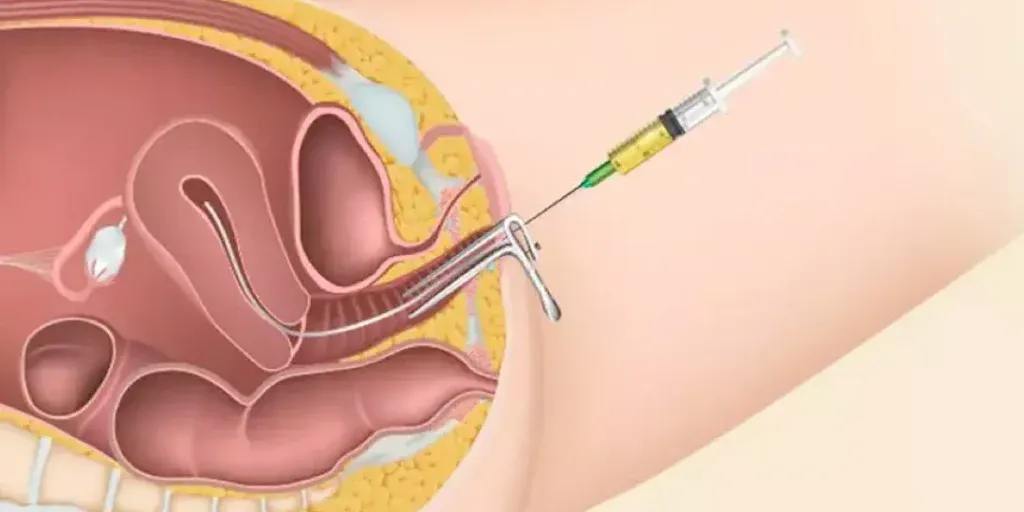
IUI treatment is one of the less invasive assisted reproductive methods that may be considered before IVF for couples who want to have a baby. The aim of IUI treatment is to increase the chance of pregnancy by placing specially prepared, motile sperm directly into the uterus as close as possible to the time of ovulation. Obstetrician and Gynecologist Op. Dr. Sadık Sözdinler evaluates the underlying cause of infertility and, in suitable couples, creates a personalized IUI treatment plan without unnecessary delay.
What Is IUI Treatment?
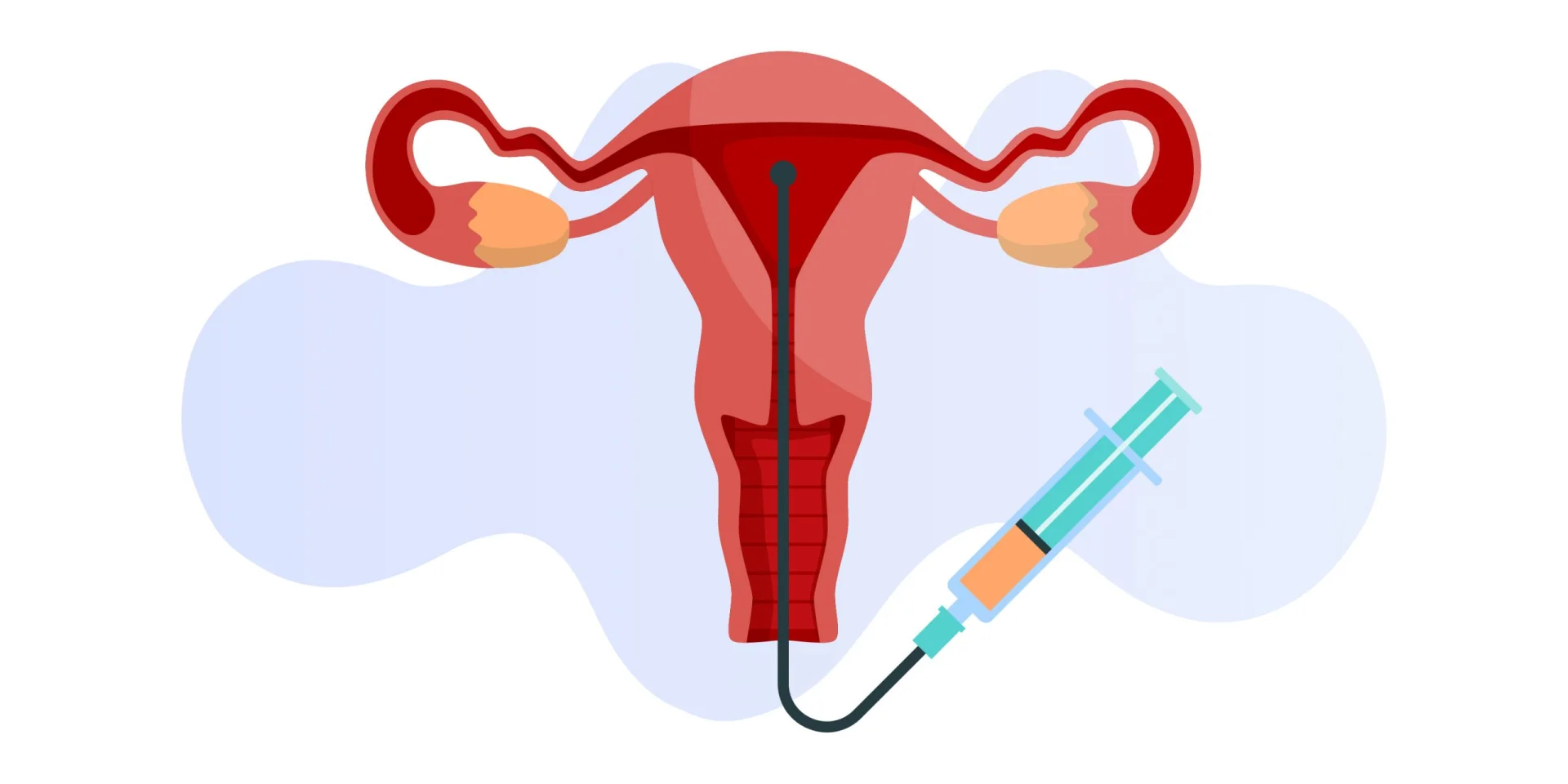
IUI, medically known as intrauterine insemination, is a procedure in which laboratory-prepared sperm are placed directly into the uterus using a thin catheter. This method shortens the distance the sperm need to travel to reach the egg and supports the chance of pregnancy during the ovulation period.
IUI treatment is not the same as IVF. In IUI, fertilization occurs naturally inside the woman’s body. In IVF treatment, the egg and sperm are brought together in a laboratory environment.
Who Is Suitable for IUI Treatment?
IUI treatment is not suitable for every patient with infertility. For the procedure to be considered, at least one fallopian tube should be open, ovulation should be trackable, and sperm parameters should be at a sufficient level.
IUI may be considered in situations such as:
-
Unexplained infertility
-
Mild male factor infertility
-
Ovulation disorders
-
Certain cervical factors
-
Difficulty timing sexual intercourse
-
Need for ovulation monitoring in polycystic ovary syndrome
-
A stepwise treatment approach before IVF
How Is IUI Treatment Performed?
The IUI process is usually planned with an examination and ultrasound at the beginning of the menstrual cycle. The ovaries are evaluated, and ovulation-stimulating medications may be started if necessary. Once the follicles reach an appropriate size, a trigger injection may be administered and the timing of the procedure is determined.
On the day of IUI, a semen sample is collected from the male partner. The sperm are prepared in the laboratory, and the most motile and suitable sperm are selected. They are then placed directly into the uterus using a thin catheter. The procedure is generally brief and usually does not require anesthesia.
How Long Does IUI Treatment Take?
The active monitoring phase of IUI treatment is generally completed within approximately 10 to 14 days from the beginning of the menstrual cycle. However, when preparation, testing and the waiting period before the pregnancy test are included, the entire cycle can be considered to take about one month.
The treatment schedule may vary according to ovarian response, the medication used, follicle growth and the timing of the trigger injection. Therefore, the same treatment calendar is not applied to every patient.
Which Tests Are Performed Before IUI?
Before IUI, both partners should be evaluated together. In women, ovulation, ovarian reserve, uterine structure and fallopian tube patency should be assessed. In men, semen analysis is one of the basic evaluations.
Tests that may be required include hormone tests, ultrasound, hysterosalpingography, semen analysis, infection screening and, in selected patients, additional genetic or advanced investigations. The purpose is to determine whether the couple is an appropriate candidate for IUI.
How Is Follicle Monitoring Performed During IUI Treatment?
Follicle monitoring is performed with ultrasound. The growth of the follicles, the thickness of the uterine lining and the timing of ovulation are evaluated. Some patients may be followed during a natural cycle, while others may use ovulation-stimulating medications.
When the follicle reaches an appropriate level of maturity, a trigger injection may be planned. Performing IUI at the correct time is important for treatment success.
What Does Sperm Washing Mean?
Sperm washing is a laboratory process used to separate and select the most motile and suitable sperm from the semen sample. During this process, sperm are separated from seminal fluid and prepared for placement into the uterus.
Sperm washing is one of the key stages of IUI treatment. The prepared sperm sample is placed directly into the uterus to help increase the likelihood of the sperm reaching the egg.
What Should You Pay Attention to After IUI?
Prolonged bed rest is generally not required after IUI. The patient can usually return to daily activities after a short period of rest. However, it is important to avoid strenuous exercise, excessive stress, smoking and the use of medications without medical advice.
Points to consider after IUI include:
-
Use prescribed medications regularly.
-
Wait until the recommended day for the pregnancy test.
-
Keep in mind that an early urine pregnancy test may give misleading results.
-
Contact your doctor in case of severe pelvic pain, excessive bloating or heavy bleeding.
-
Pay attention to healthy nutrition, adequate sleep and stress management.
Conclusion
Correct patient selection, accurate timing and regular monitoring are important factors in IUI treatment. Obstetrician and Gynecologist Op. Dr. Sadık Sözdinler evaluates ovarian reserve, uterine structure, fallopian tube status, ovulation pattern, semen analysis and the duration of infertility together and plans the treatment process individually based on his clinical experience.
The aim is to avoid creating unrealistic expectations, select the appropriate treatment step, make the IUI process easier to understand and plan the journey toward pregnancy in a scientific, safe and personalized manner.
Frequently Asked Questions
Is IUI Treatment Painful?
IUI is generally not painful. Mild cramping or pressure may occur, but anesthesia is not required for most patients.
How Many Times Can IUI Be Tried?
The number of attempts depends on age, semen analysis, ovarian reserve and the underlying cause of infertility. In some couples, IVF may be considered after several unsuccessful attempts.
When Should a Pregnancy Test Be Done After IUI?
A pregnancy test is generally performed approximately 14 days after the procedure using a blood beta-hCG test. Testing too early may lead to misleading results.
Is Rest Required After IUI?
Prolonged bed rest is usually not necessary. The patient can generally return to daily activities after a short period of rest.
Can IUI Result in Twin Pregnancy?
The risk of multiple pregnancy may increase when ovulation-stimulating medications are used. For this reason, the number of developing follicles should be monitored carefully.
Do the Fallopian Tubes Need to Be Open for IUI?
Yes. At least one fallopian tube is generally expected to be open and functional for pregnancy to occur.
Can IUI Be Performed If the Sperm Count Is Low?
IUI may be considered in mild sperm abnormalities. In more severe sperm problems, IVF or ICSI may be a more appropriate option.
What Happens If IUI Is Unsuccessful?
After an unsuccessful attempt, ovarian response, semen analysis, uterine structure and fallopian tube status are reassessed. IVF may be considered if necessary.
On Which Day of the Menstrual Cycle Does IUI Treatment Start?
In many patients, the process can begin with an ultrasound examination on the second or third day of the menstrual cycle. The treatment plan may vary from person to person.
Which Doctor Should You Consult for IUI Treatment?
For IUI, infertility assessment and pregnancy planning, you should consult an obstetrician and gynecologist.
This article is for informational purposes only and is not intended for diagnosis or treatment.
Op. Dr. Sadık Sözdinler | Obstetrics, Gynecology and Genital Aesthetic Surgery Specialist
Quick Appointment
Fill out our contact form now, and we will get back to you as soon as possible.