

When vaginal discharge changes in color or is accompanied by an unpleasant odor, intense itching, or burning, one of the first possible causes that comes to mind is a vaginal infection. However, not every discharge indicates an infection, and not every vaginal infection is treated in the same way. Yeast infections, bacterial vaginosis, and certain sexually transmitted infections can cause similar symptoms. Therefore, identifying the actual cause of the symptoms rather than using medication without a diagnosis is the most important step toward appropriate treatment.
Gynecologist Op. Dr. Sadık Sözdinler evaluates the characteristics of vaginal discharge, accompanying symptoms, and gynecological examination findings together in women with vaginal infection complaints and develops an individualized treatment plan.
What Is a Vaginal Infection?
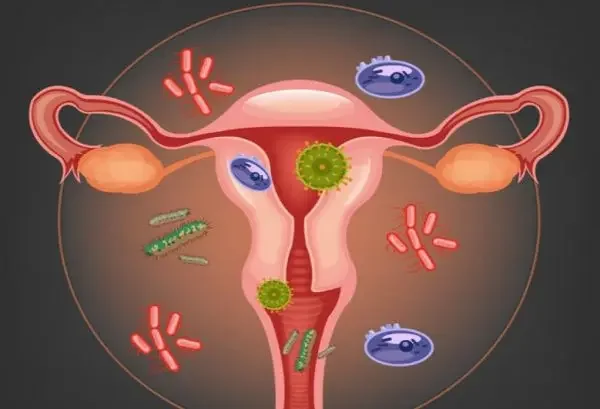
Vaginal infections and vaginitis refer to different conditions that develop when the natural balance of the vaginal flora is disrupted or due to fungi, bacteria, and certain microorganisms. A healthy vagina naturally contains a balanced community of microorganisms. Changes in this balance may cause symptoms such as discharge, odor, itching, or burning in some women.
Because not every vaginal complaint has the same cause, an accurate diagnosis is important.
What Are the Symptoms of a Vaginal Infection?
The most common symptoms may include:
-
Vaginal discharge that is different from usual
-
Itching in the vagina or vulva
-
Unpleasant or unusual odor
-
Burning and irritation
-
Discomfort while urinating
-
Pain or tenderness during sexual intercourse
The type and severity of symptoms may vary depending on the underlying cause.
How Can You Tell If You Have a Vaginal Yeast Infection?
One of the most common causes of vaginal yeast infections is Candida species. Symptoms may include intense vulvar itching, redness, burning, and thick white vaginal discharge. Some women may also experience discomfort during urination or sexual intercourse.
Antibiotic use, pregnancy, uncontrolled diabetes, and certain conditions that affect the immune system may increase the likelihood of developing a yeast infection.
Repeatedly using antifungal medication on the assumption that every episode of itching is caused by yeast is not recommended.
What Are the Symptoms of Bacterial Vaginosis?
Bacterial vaginosis develops when the natural bacterial balance of the vagina changes. One of its most characteristic symptoms is a fish-like unpleasant odor, often accompanied by thin gray or white vaginal discharge. In some women, the odor may become more noticeable after sexual intercourse.
Rather than being a simple infection caused by a single microorganism, bacterial vaginosis is associated with an imbalance in the vaginal microbiota.
Are Vaginal Infections Sexually Transmitted?
Not every vaginal infection is sexually transmitted. For example, bacterial vaginosis and Candida infections are not generally classified as classic sexually transmitted infections.
However, Trichomonas vaginalis is sexually transmitted and may cause foul-smelling yellow-green discharge, burning, itching, or genital tenderness.
If a sexually transmitted infection is suspected, partner evaluation and appropriate testing may also be necessary.
Why Do Vaginal Infections Keep Coming Back?
Recurring symptoms do not always mean that the same infection has returned. Incorrect diagnosis, unnecessary medication use, underlying conditions such as diabetes, repeated antibiotic use, or other vulvovaginal disorders may cause similar symptoms.
Therefore, if symptoms recur frequently, it is important to consult an experienced obstetrician and gynecologist rather than repeatedly using the same medication.
How Is a Vaginal Infection Diagnosed?
The patient’s medical history and gynecological examination are just as important as the color and odor of the discharge.
When necessary, vaginal pH testing, microscopic examination, vaginal swabs, or other laboratory tests may be used.
Laboratory evaluation becomes particularly important in recurrent infections, symptoms that do not respond to treatment, or when a sexually transmitted infection is suspected.
How Are Vaginal Infections Treated?
Treatment should be based on the underlying cause of the infection. Antifungal medications may be used for yeast infections, while bacterial vaginosis and trichomoniasis require different antimicrobial treatments.
For this reason, using medication based on a friend’s recommendation or simply repeating a previously prescribed treatment may not be appropriate.
The dose, method of administration, and duration of treatment should be determined according to the patient’s diagnosis and overall health condition.
Vaginal Infection Treatment in Izmir
For vaginal infection treatment in Izmir, the first step is to identify the actual cause of discharge, odor, or itching.
Particularly in recurrent vaginal infections, it is important to distinguish between yeast infection, bacterial vaginosis, sexually transmitted infections, and non-infectious vulvovaginal conditions rather than simply trying to relieve symptoms temporarily.
Izmir gynecologist Op. Dr. Sadık Sözdinler plans individualized treatment for women experiencing vaginal infections and recurrent vaginal discharge in Izmir based on examination findings and, when necessary, appropriate laboratory tests.
Frequently Asked Questions
Can a Vaginal Infection Go Away on Its Own?
Some mild symptoms may improve spontaneously, but waiting without knowing the type of infection may not always be appropriate. Persistent or recurrent symptoms should be medically evaluated.
Can a Vaginal Infection Delay Your Period?
Vaginal infections generally do not directly control the menstrual cycle. If menstruation is delayed, pregnancy and hormonal causes should also be considered.
Can You Have Sexual Intercourse During a Vaginal Infection?
Sexual intercourse may increase irritation and pain. If a sexually transmitted infection is present, there may also be a risk of transmission. The doctor’s recommendations should be followed during treatment.
Can a Vaginal Infection Affect Pregnancy?
Certain vaginal infections are particularly important during pregnancy. If abnormal discharge, unpleasant odor, itching, or burning occurs during pregnancy, an obstetrician and gynecologist should be consulted.
Can Probiotics Be Used for Vaginal Infections?
There is ongoing research into the effects of probiotics on the vaginal microbiota. However, probiotics do not replace standard medical treatment for every type of vaginal infection.
Does Vaginal Douching Prevent Infections?
No. Washing inside the vagina with water or other products can disrupt the natural vaginal balance and may increase the risk of certain infections.
Can a Vaginal Yeast Infection Be Transmitted by a Partner?
Vulvovaginal candidiasis is generally not considered a classic sexually transmitted infection. Routine treatment of the partner is not necessary in every case.
Can a Vaginal Infection Cause Burning During Urination?
Yes. Vaginal and vulvar irritation may cause burning while urinating. However, urinary tract infections can cause similar symptoms, so the two conditions should be distinguished.
Can a Vaginal Infection Cause Infertility?
Yeast infections or bacterial vaginosis do not automatically mean infertility. However, certain sexually transmitted infections may spread to the upper reproductive tract and cause complications that can affect fertility.
Which Doctor Should You Consult for a Vaginal Infection?
For vaginal discharge, itching, unpleasant odor, or recurrent vaginal infections, you can consult an obstetrician and gynecologist.
This article is for informational purposes only and is not intended for diagnosis or treatment.
Op. Dr. Sadık Sözdinler | Obstetrics, Gynecology and Genital Aesthetics Specialist
Quick Appointment
Fill out our contact form now, and we will get back to you as soon as possible.