
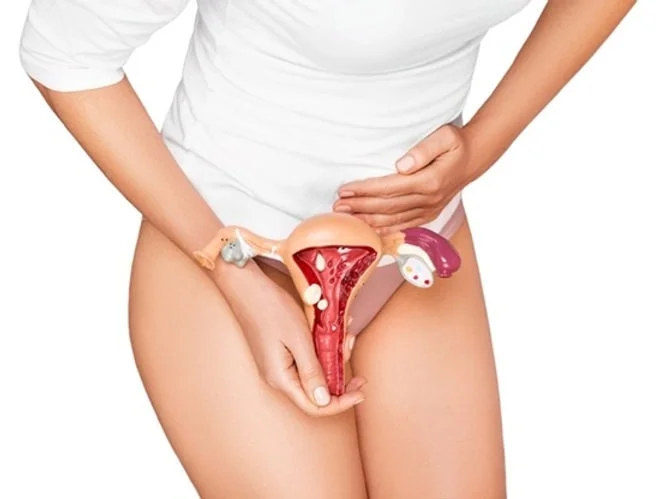
A swelling that suddenly appears on one side of the vaginal opening may initially be small and painless, but it can quickly become painful enough to make sitting or walking difficult. One possible cause is a Bartholin cyst or, if an infection has developed, a Bartholin abscess. A Bartholin cyst is usually not a serious condition; however, its size, the presence of pain, and signs of infection may make medical evaluation necessary. Gynecologist in Izmir Op. Dr. Sadık Sözdinler evaluates the size of the cyst, the presence of infection, and any history of recurrence together to create an individualized treatment plan for women with Bartholin cyst symptoms.
What Is a Bartholin Cyst?
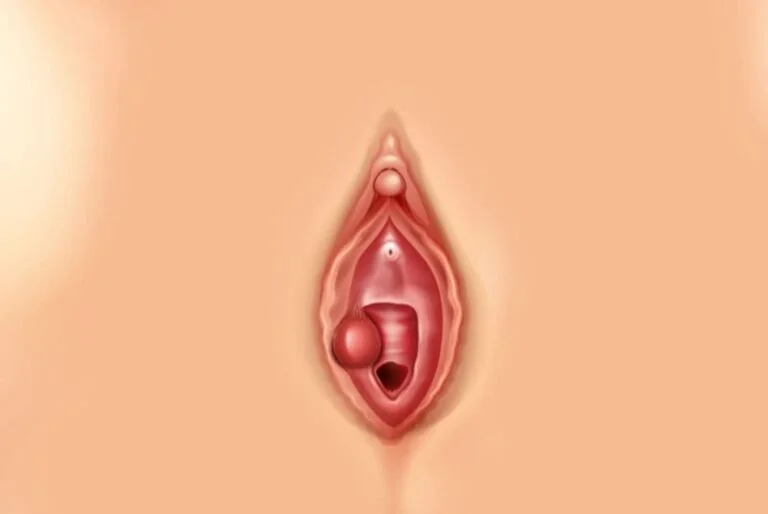
The Bartholin glands are small glands located on both sides of the vaginal opening that contribute to the natural lubrication of the genital area. If the duct that carries fluid from one of these glands becomes blocked, fluid can accumulate and form a Bartholin cyst.
When the cyst is small, the patient may not notice any symptoms. As it grows, it may cause a noticeable lump or a feeling of pressure on one side of the vaginal opening.
What Causes a Bartholin Cyst?
The main mechanism is blockage of the Bartholin gland duct, preventing normal drainage of gland secretions. The exact reason for the blockage cannot always be identified.
Local infections, irritation, or tissue changes around the duct may contribute to obstruction. Having a Bartholin cyst does not necessarily mean that a sexually transmitted infection is present.
What Are the Symptoms of a Bartholin Cyst?
Possible symptoms include:
-
A one-sided swelling near the vaginal opening
-
Discomfort while sitting or walking
-
Pain during sexual intercourse
-
Pressure or tenderness in the genital area
-
Severe pain, redness, and fever if infection develops
A swelling that grows rapidly and becomes increasingly painful should be evaluated for a possible abscess.
What Is the Difference Between a Bartholin Cyst and a Bartholin Abscess?
A Bartholin cyst usually contains fluid and, when not infected, may appear as a painless or mildly uncomfortable swelling.
A Bartholin abscess develops when the cyst or gland becomes infected. In this situation, the swelling may become significantly more tender and painful, with redness, increased warmth, and sometimes fever.
The pain may make walking, sitting, and normal daily activities considerably more difficult.
Can a Bartholin Cyst Go Away on Its Own?
In many cases, it does not disappear completely on its own. However, some small and asymptomatic Bartholin cysts may shrink or drain spontaneously.
Warm sitz baths may provide relief in small cysts with mild symptoms. However, trying to squeeze, puncture, or drain the cyst at home can increase the risk of infection and tissue damage.
Cysts that enlarge, cause pain, or recur should be evaluated by a gynecologist.
How Is a Bartholin Cyst Treated?
Treatment depends on the size of the cyst, the symptoms, whether infection is present, and whether the condition has occurred before.
Small cysts that do not cause symptoms may not require any surgical treatment.
Painful or infected cysts may need to be drained. In some cases, a Word catheter may be inserted to help prevent the opening from closing again.
In recurrent or appropriately selected cases, marsupialization may be considered. For Bartholin cyst treatment, you can consult an experienced gynecologist without unnecessary delay.
What Is Marsupialization for a Bartholin Cyst?
Marsupialization is a surgical procedure used for Bartholin cysts or abscesses. After the cyst or abscess is drained, a permanent opening is created to reduce the likelihood of fluid accumulating again.
The edges of the cyst are opened and sutured to the surrounding tissue, creating a new pathway through which glandular secretions can drain.
It is one of the treatment options that may be considered, particularly in recurrent Bartholin cysts.
Are Antibiotics Necessary for a Bartholin Abscess?
Antibiotics are not automatically required for every Bartholin cyst or abscess.
When an abscess is present, establishing effective drainage is often an important part of treatment. Antibiotics may be considered when there is fever, infection of the surrounding tissue, certain risk factors, or suspicion of another accompanying infection.
The decision to use antibiotics should be made by the physician according to the patient’s clinical condition.
Can a Bartholin Cyst Come Back?
Yes. A Bartholin cyst or abscess may recur after treatment.
Simply draining the fluid from the cyst does not always prevent the duct from becoming blocked again. In recurrent cases, procedures designed to maintain a drainage opening, such as a Word catheter or marsupialization, may be considered.
The treatment approach is selected according to previous procedures and the patient’s current clinical condition.
Which Department Should You Visit for a Bartholin Cyst?
For a Bartholin cyst, patients should consult the Department of Obstetrics and Gynecology. Following an examination, treatment options are determined individually according to the patient’s overall condition.
Gynecologist Op. Dr. Sadık Sözdinler evaluates suitable patients and plans treatment according to their individual clinical findings.
Bartholin Cyst Treatment in Izmir
For women searching for Bartholin cyst treatment in Izmir, the first step is to determine whether the swelling in the genital area is actually originating from the Bartholin gland.
The size of the cyst, level of pain, presence of an abscess, previous recurrences, and the patient’s age may all influence the evaluation and treatment plan.
Izmir gynecologist Op. Dr. Sadık Sözdinler places importance on individually evaluating treatment options such as observation, drainage, Word catheter placement, or marsupialization for women with Bartholin cysts or Bartholin abscesses in Izmir.
Frequently Asked Questions
Is a Bartholin Cyst Sexually Transmitted?
No. A Bartholin cyst is not a sexually transmitted disease. However, certain infections may contribute to the development of a Bartholin abscess.
What Should I Do If a Bartholin Cyst Bursts?
If the cyst drains spontaneously, the area should be kept clean. If pain continues or there is foul-smelling discharge or fever, a gynecologist should be consulted.
Does a Bartholin Cyst Affect the Menstrual Cycle?
Because the Bartholin glands are located near the vaginal opening, a Bartholin cyst generally does not directly affect the menstrual cycle.
Can a Bartholin Cyst Interfere With Sexual Intercourse?
A large or painful cyst may cause discomfort during sexual intercourse. If an abscess is present, sexual activity may need to be avoided until healing occurs.
Can a Bartholin Cyst Become Cancerous?
The vast majority of Bartholin cysts are benign. However, particularly in women aged 40 and older, a newly developed mass in the Bartholin gland area may require more detailed evaluation to rule out other conditions.
Can a Bartholin Cyst Prevent Pregnancy?
A Bartholin cyst does not originate from the uterus or ovaries and generally does not directly affect fertility.
Which Doctor Should You Consult for a Bartholin Cyst?
A specialist in obstetrics and gynecology should be consulted for the evaluation of a Bartholin cyst or similar swelling in the genital area.
How Long Does It Take to Recover After Bartholin Cyst Surgery?
Recovery time varies depending on the type of procedure performed and the individual healing process. Returning to normal daily activities and sexual activity should be planned according to the physician’s recommendations.
Does the Bartholin Gland Need to Be Completely Removed?
Complete removal of the gland is generally not the first treatment option. More extensive surgical procedures may be considered in recurrent or selected cases.
Can a Bartholin Cyst Be Squeezed and Drained at Home?
No. Squeezing, puncturing with a needle, or attempting to cut the cyst can cause infection, bleeding, and tissue damage. If drainage is required, it should be performed under appropriate medical conditions.
This article is for informational purposes only and is not intended for diagnosis or treatment.
Op. Dr. Sadık Sözdinler | Obstetrics, Gynecology and Genital Aesthetics Specialist
Frequently Asked Questions
The moment the Bartholin abscess is drained, the patient is instantly relieved of severe pain and experiences great comfort. Recovery is very fast after the “marsupialization” procedure, where we create a permanent canal to prevent the cyst from recurring. The stitches dissolve on their own, and patients return to their routine lives within a few days; it is only recommended to avoid tub baths, pools, and sexual intercourse for 3-4 weeks.
Quick Appointment
Fill out our contact form now, and we will get back to you as soon as possible.