
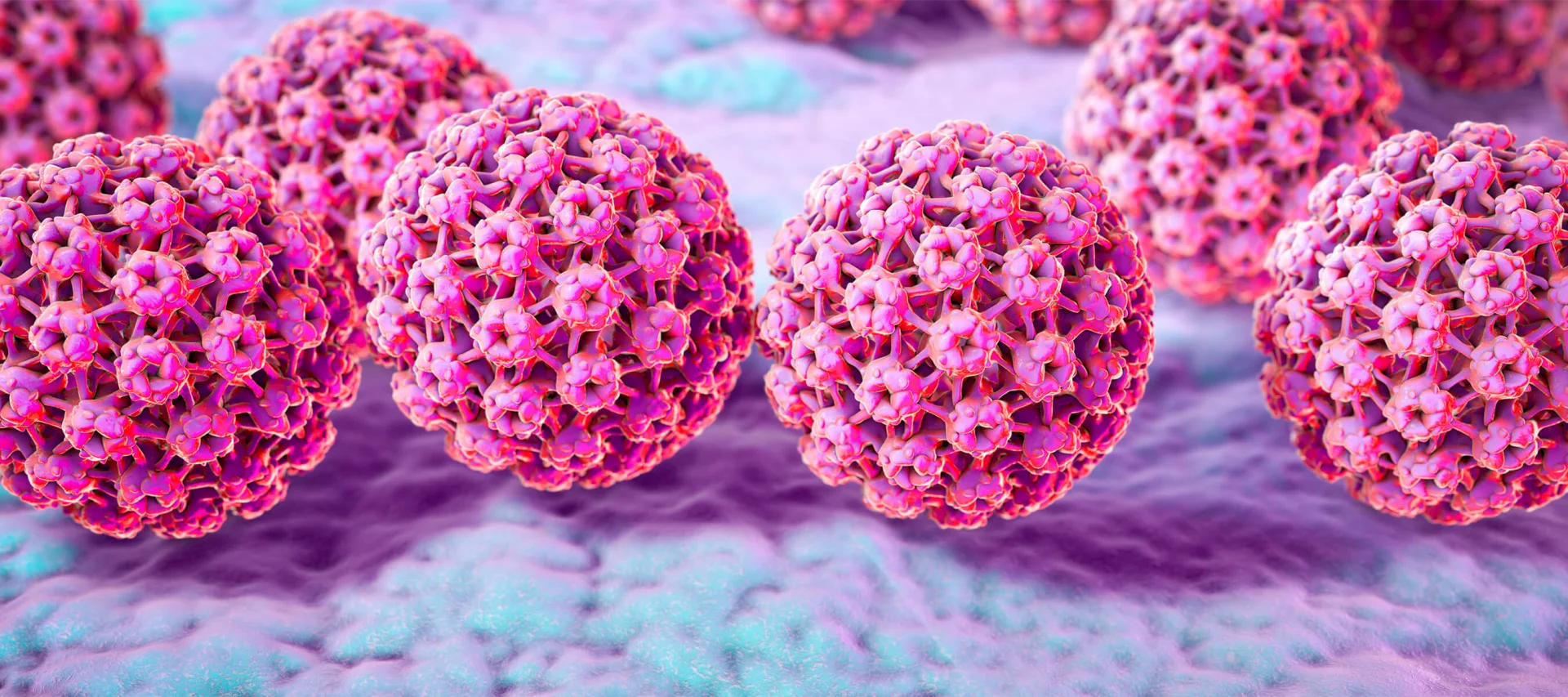
HPV is one of the most commonly discussed sexually transmissible infections among women. HPV, which stands for Human Papillomavirus, is not a single virus but a large family of viruses with many different types. Some types may cause genital warts, while certain high-risk types may lead to changes in cervical cells. However, testing positive for HPV does not always mean cancer.
What Is HPV?
HPV is a common virus that can affect the skin and mucosal surfaces. HPV types affecting the genital area can be transmitted through sexual contact. In women, HPV infection may affect the cervix, vagina, vulva, and anal area.
There are low-risk and high-risk HPV types. Low-risk types are mostly associated with genital warts. High-risk types, when they persist for a long period, may cause changes in cervical cells.
How Is HPV Transmitted?
HPV is most commonly transmitted through genital contact. Penetrative sexual intercourse is not required for transmission; the virus may also spread through genital skin-to-skin contact, oral-genital contact, or close intimate contact. The absence of symptoms or visible warts in a person carrying the virus does not completely eliminate the risk of transmission.
Condoms can reduce the risk of HPV transmission; however, because the virus may be present on skin areas not covered by a condom, they do not provide complete protection. Therefore, protection, HPV vaccination, and regular gynecological check-ups are all important.
What Are the Symptoms of HPV in Women?
HPV may cause no symptoms in many women. For this reason, a person may only discover that they carry HPV after a Pap smear or HPV test. Certain HPV types may cause warts in the external genital area.
Conditions that may be associated with HPV in women include:
-
Warts or raised lesions in the genital area
-
Lesions around the vaginal opening, vulva, or anus
-
Cellular changes detected on a Pap smear
-
Detection of a high-risk HPV type on an HPV test
-
Bleeding after sexual intercourse
-
Foul-smelling discharge or accompanying signs of infection
-
No symptoms at all in many patients
What Does HPV Positive Mean?
An HPV-positive result means that HPV has been detected in a sample taken from the cervix or genital area. This result alone does not mean that the patient has cancer. Especially in younger women, the immune system may clear the HPV infection over time.
What matters is the HPV type, whether the Pap smear result is normal, the patient’s age, previous test results, and whether there are any cellular changes in the cervix. Therefore, an HPV-positive result requires appropriate follow-up rather than panic.
Can HPV Cause Cancer?
Some high-risk HPV types may increase the risk of cervical cancer, especially when the infection persists for a long time. HPV 16 and HPV 18 are among the best-known high-risk types. However, not every woman with HPV will develop cancer.
Cervical cancer is generally associated with cellular changes that develop over several years. For this reason, regular screening with Pap smear and HPV testing can help detect high-risk changes at an early stage.
Are the HPV Test and Pap Smear the Same Thing?
No. An HPV test and a Pap smear are different tests. The HPV test checks for the presence of high-risk HPV types in the cervix. A Pap smear evaluates whether there are abnormal changes in cervical cells.
In some women, only a Pap smear may be recommended, while in certain age groups an HPV test or both tests together may be planned. How often these tests should be performed depends on age, previous results, and individual risk factors.
Is There a Treatment for HPV?
HPV can be effectively managed when it is properly evaluated and followed. There is no single medication that directly eliminates the HPV virus from the body. In many people, the immune system can control and clear the virus over time. Treatment mainly focuses on managing the problems caused by HPV.
If genital warts are present, treatment options such as cauterization, cryotherapy, laser treatment, chemical applications, or surgical removal may be considered. If cellular abnormalities are found on a Pap smear, colposcopy, biopsy, or cervical treatments may be planned when necessary.
Who Should Receive the HPV Vaccine?
The HPV vaccine helps protect against certain high-risk HPV types and types that commonly cause genital warts. The vaccine provides the greatest benefit when given before exposure to HPV; however, it may also be considered in some adults following a physician’s evaluation.
The HPV vaccine does not treat an existing HPV infection or existing genital warts. However, it may provide protection against HPV types to which the person has not previously been exposed. Regular Pap smear and HPV screening should still continue after vaccination.
Can HPV Be Transmitted to My Partner?
HPV can be transmitted between partners through sexual contact. Because the virus may remain without symptoms for years, it is often impossible to determine exactly when or from whom HPV was acquired. This should not lead to a blaming approach between partners.
If a man has warts, lesions, or symptoms, he should consult a urologist. If a woman has similar concerns, she should consult an obstetrician and gynecologist. Sexual activity, protection methods, and follow-up should be discussed openly with a doctor.
How Is HPV Followed Up?
HPV follow-up is planned according to the HPV type, Pap smear result, the patient’s age, previous test results, and cervical examination findings. For some patients, repeat testing at specific intervals may be sufficient, while others may require colposcopy.
Colposcopy is a detailed examination of the cervix using a special magnifying system. If a suspicious area is identified, a biopsy may be taken. The aim is to detect cellular changes at an early stage while avoiding unnecessary treatment.
Reviews from Patients with HPV
For HPV and genital wart treatment, you can access reviews about Izmir gynecologist and genital aesthetics specialist Op. Dr. Sadık Sözdinler by clicking the relevant text and links on Google, DoktorTakvimi, and DoktorSitesi.
Which Department Should You Visit for HPV?
For genital warts and HPV, patients should consult the Obstetrics and Gynecology Department. Following the examination, treatment options are determined individually according to the patient’s general health and clinical findings. Genital aesthetics specialist Op. Dr. Sadık Sözdinler provides individualized treatment for suitable patients with a focus on patient comfort.
HPV Treatment in Izmir
The most important point in HPV management is interpreting the result correctly and distinguishing necessary medical follow-up from unnecessary fear and unnecessary treatment. Izmir obstetrician and gynecologist Op. Dr. Sadık Sözdinler evaluates the HPV type, Pap smear result, presence of genital warts, cervical examination findings, vaccination status, and individual risk factors together to create a personalized treatment and follow-up plan.
The aim is to provide women who test positive for HPV with a clear, evidence-based follow-up plan that respects their privacy, protects cervical health, and allows timely intervention when necessary.
Frequently Asked Questions
What Should I Do If I Test Positive for HPV?
You should consult an obstetrician and gynecologist without panicking. Follow-up or further evaluation will be planned according to the HPV type, Pap smear result, and your age.
Can HPV Go Away on Its Own?
Some HPV infections may be cleared by the immune system over time. However, regular follow-up is important when high-risk HPV is detected.
Can HPV Be Transmitted Without Causing Warts?
Yes. HPV can be transmitted even when the infected person has no visible warts. Therefore, having no symptoms does not mean that the virus is absent.
Can HPV Also Occur in Men?
Yes. HPV in men may be associated with genital warts, anal disease, and certain head and neck conditions. When necessary, evaluation by urology or dermatology may be recommended.
Is the HPV Test Painful?
The HPV test is usually performed in a similar way to a Pap smear. It is a short procedure and does not cause significant pain in most patients.
Can the HPV Vaccine Be Given If You Are HPV Positive?
In some patients, yes. However, the vaccine does not treat an existing infection. Suitability should be evaluated according to age, HPV type, and the individual’s medical condition.
Does HPV Prevent Sexual Intercourse?
An HPV diagnosis does not mean that sexual activity must be completely stopped. However, transmission risk, the presence of warts, and protection methods should be discussed with a doctor.
Does HPV Prevent Pregnancy?
HPV usually does not prevent pregnancy. However, genital warts, Pap smear results, and cervical findings should be evaluated before planning a pregnancy.
How Often Should a Pap Smear Be Performed After HPV?
The follow-up interval varies according to HPV type, Pap smear result, age, and previous test results. The follow-up schedule recommended by the doctor should be followed.
Which Doctor Should You See for HPV?
For HPV testing, Pap smear, colposcopy, genital warts, and cervical follow-up in women, you should consult an obstetrician and gynecologist.
This article is for informational purposes only and is not intended for diagnosis or treatment.
Op. Dr. Sadık Sözdinler | Obstetrics, Gynecology and Genital Aesthetic Specialist
Quick Appointment
Fill out our contact form now, and we will get back to you as soon as possible.