
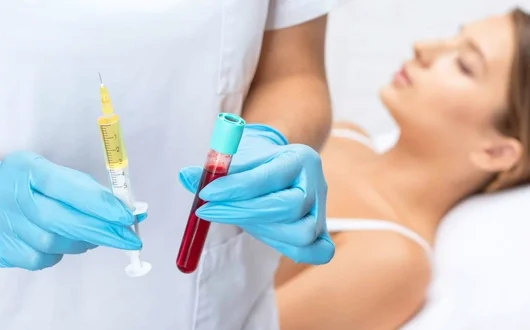
Genital PRP is one of the most commonly preferred non-surgical treatment options used in women who experience vaginal dryness, pain during sexual intercourse, reduced sensitivity, loss of vaginal comfort after menopause, postpartum tissue changes, or decreased satisfaction in sexual life. PRP is based on applying platelet-rich plasma obtained from the patient’s own blood to specific areas. In the genital region, PRP may be used to support tissue quality, help reduce complaints related to dryness and sensitivity, improve sexual comfort, and contribute to vaginal tissue regeneration. However, it is not suitable for every patient and should not be presented as a “definitive solution.” Izmir gynecologist Op. Dr. Sadık Sözdinler provides individualized genital PRP treatment with an approach based on privacy, appropriate patient selection, and realistic expectations.

What Is Genital PRP?
Genital PRP is a procedure in which a small amount of blood is taken from the patient, processed using a special method, and the platelet-rich portion is separated and applied to suitable areas of the genital region. PRP contains growth factors and biological components that support tissue repair.
In women’s health, genital PRP may be considered as a supportive treatment option for vaginal dryness, sensitivity issues, discomfort during sexual intercourse, menopause-related tissue thinning, and certain sexual comfort concerns.
In Which Conditions Is Genital PRP Used?
Genital PRP is not a standard standalone treatment. It is considered a supportive option according to the patient’s complaints and examination findings. It is particularly preferred in patients experiencing hormonal changes, tissue sensitivity, and sexual comfort problems.
Genital PRP may be considered in the following situations:
-
Vaginal dryness and burning sensation
-
Pain or irritation during sexual intercourse
-
Vaginal sensitivity after menopause
-
Loss of tissue comfort after childbirth
-
Reduced sexual arousal and sensitivity
-
Mild urinary incontinence complaints
-
The need to support tissue quality in the genital area
Does Genital PRP Help With Vaginal Dryness?
Genital PRP may be used in some patients with vaginal dryness to support tissue quality and moisture balance. It may be considered after examination, particularly in women who experience dryness associated with menopause, breastfeeding, hormonal changes, or vaginal sensitivity.
However, vaginal dryness may not be related only to tissue quality. Infection, hormonal deficiency, medication use, skin conditions, and pelvic floor problems should also be investigated. Therefore, before deciding on PRP, the most appropriate treatment method should be determined after a detailed examination and any necessary tests.
Does Genital PRP Improve Sexual Comfort?
Genital PRP may help reduce complaints such as dryness, irritation, reduced sensitivity, or pain during sexual intercourse in some patients. As tissue quality improves, sexual comfort may also improve.
However, sexual function does not depend solely on genital tissue structure. Hormones, psychological factors, relationship dynamics, vaginismus, causes of painful intercourse, and pelvic floor muscle function should also be evaluated. Therefore, genital PRP should not be presented as an “orgasm guarantee” or a “definitive increase in sexual performance.”
How Is Genital PRP Performed?
Before the procedure, the patient’s complaints are evaluated, a gynecological examination is performed, and suitability for PRP is assessed. A small amount of blood is then drawn from the patient. The blood is processed in a special device, and platelet-rich plasma is prepared.
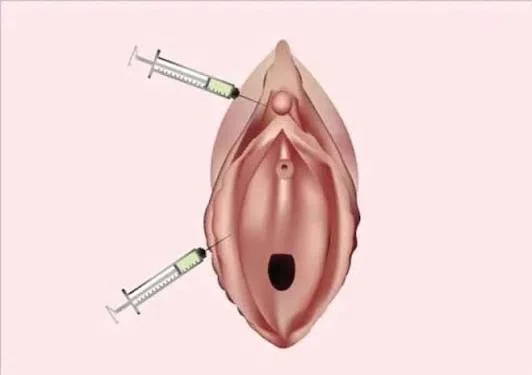
The prepared PRP is injected into suitable genital areas using fine needles. Depending on the treatment area, a local anesthetic cream or local anesthesia may be used. The application areas may include the vaginal entrance, vulvar area, clitoral region, or anterior vaginal wall, depending on the patient’s complaints.
How Many Sessions of Genital PRP Are Needed?
The number of sessions varies according to the patient’s complaints, tissue structure, age, menopausal status, and treatment goals. In some patients, a single session may be sufficient, while others may require several sessions.
The effects of PRP may vary from person to person. Therefore, expectations should be discussed clearly before treatment, and the response should be evaluated during follow-up examinations. If necessary, treatment may be combined with moisturizers, local treatments, non-hormonal options, or pelvic floor support.
What Should Be Considered After Genital PRP?
Patients can usually return to their daily activities shortly after genital PRP. However, mild tenderness, burning, swelling, or pinpoint bruising may occur in the treatment area. Following the doctor’s post-procedure recommendations can improve comfort during recovery.
Things to consider after the procedure include:
-
The area should be kept clean and dry during the early recovery period.
-
Sexual intercourse should be avoided for the period recommended by the doctor.
-
Swimming pools, the sea, and sauna use may need to be avoided for a short time.
-
Irritating products should not be used.
-
A doctor should be consulted if pain, foul-smelling discharge, or fever occurs.
-
Follow-up appointments should not be missed.
-
Additional treatments should be applied according to individual needs.
Who Is Not Suitable for Genital PRP?
Genital PRP is not suitable for every patient. If there is an active genital infection, unexplained vaginal bleeding, a bleeding disorder, a serious immune system problem, an uncontrolled chronic disease, or a suspicious lesion in the genital area, the underlying condition should first be evaluated.
For patients who use blood-thinning medications, have blood disorders, may be pregnant, or are undergoing cancer treatment, the decision should always be made after a physician’s evaluation.
Are Genital PRP, Laser, and Filler the Same Thing?
No. Genital PRP is a biological treatment prepared from the patient’s own blood. Vaginal laser is an energy-based tissue treatment. Genital filler, on the other hand, is performed using different materials to provide volume support.
The appropriate method depends on the patient’s specific complaint. Vaginal dryness, volume loss, laxity, pain, pigmentation changes, or sexual comfort concerns cannot all be treated with the same method. Therefore, individualized treatment planning is necessary.
Conclusion
Genital PRP is a sensitive women’s health procedure that requires privacy, appropriate patient selection, and individualized assessment. Izmir gynecologist Op. Dr. Sadık Sözdinler evaluates vaginal dryness, sexual comfort, pain during intercourse, menopausal symptoms, postpartum changes, the possibility of infection, and genital tissue structure together and creates an individualized treatment plan.
The aim is to avoid unnecessary procedures, plan genital PRP safely and with realistic expectations when appropriate, and support treatment with other women’s health options when necessary. Do not postpone your concerns; book an appointment for a genital PRP evaluation.
Frequently Asked Questions
Is Genital PRP Painful?
No, genital PRP is generally not considered a painful procedure. Local anesthetic support may be used before treatment. Mild stinging during the procedure and temporary tenderness afterward may occur.
When Do the Effects of Genital PRP Begin?
The timing of the effects varies from person to person. Some patients may notice changes within a few weeks, while tissue response should be evaluated over time.
Does Genital PRP Improve Orgasm?
It may support sensitivity and comfort in some patients; however, it does not guarantee orgasm. Sexual function is influenced by many different factors.
Does Genital PRP Help With Urinary Incontinence?
It may be considered as a supportive option in mild cases; however, treatment should not be planned before determining the type and cause of urinary incontinence.
Can Genital PRP Be Performed During Menopause?
It may be considered in suitable patients for vaginal dryness and sensitivity during menopause. Hormonal status should also be evaluated separately.
When Can Sexual Intercourse Be Resumed After Genital PRP?
The period before resuming sexual intercourse should be determined by the doctor according to the treatment area and healing process.
Can Genital PRP Be Performed on Everyone?
No. It may not be suitable in cases of active infection, unexplained bleeding, blood disorders, or unsuitable examination findings.
Which Doctor Should You See for Genital PRP?
For genital PRP, vaginal dryness, pain during sexual intercourse, and genital aesthetic evaluation, you should consult an obstetrician and gynecologist.
This article is for informational purposes only and is not intended for diagnosis or treatment.
Op. Dr. Sadık Sözdinler | Obstetrics, Gynecology and Genital Aesthetic Specialist
Quick Appointment
Fill out our contact form now, and we will get back to you as soon as possible.