
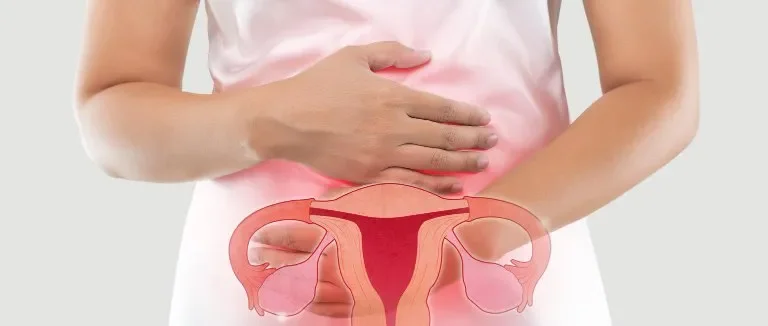
Many women experiencing vaginismus believe they are facing the condition alone. However, vaginismus is not something to be ashamed of, concealed, or regarded as a “personal failure.” Difficulties such as being unable to have sexual intercourse, involuntary muscle tightening during attempted penetration, panic, fear of pain, avoiding gynaecological examinations, or being unable to use tampons may be associated with vaginismus. The most important point is that vaginismus is a treatable sexual health condition when properly evaluated and managed with a personalised approach. Obstetrician and gynaecologist Op. Dr. Sadık Sözdinler listens carefully to each patient and creates an individualised, non-surgical treatment plan.
What Is Vaginismus?
Vaginismus is a condition in which the pelvic floor muscles surrounding the vaginal opening tighten involuntarily during sexual intercourse, a gynaecological examination, or vaginal penetration. This contraction occurs beyond the person’s control and may make penetration difficult or impossible.
Vaginismus is not simply a “fear.” Muscular reflexes, anticipation of pain, past experiences, misinformation, anatomical conditions, and psychological factors may all contribute to its development.

What Are the Symptoms of Vaginismus?
-
Being unable to have sexual intercourse
-
Closing the legs or pulling away during attempted penetration
-
Tightening or a burning sensation at the vaginal opening
-
Intense anxiety or fear surrounding the first sexual experience
-
Avoiding gynaecological examinations
-
Being unable to use tampons or vaginal products
-
Experiencing panic or feeling the urge to cry when thinking about intercourse
What Causes Vaginismus?
There is no single cause of vaginismus. Inaccurate information about sexuality, frightening stories about the first sexual experience, anticipation of pain, previous traumatic experiences, strict upbringing, relationship difficulties, or performance pressure may contribute to the condition.
Physical causes such as vaginal infections, anatomical differences involving the hymen, vaginal dryness, scarring following childbirth, vulvodynia, endometriosis, or pelvic pain should also be investigated. A gynaecological evaluation is therefore important before beginning treatment.
How Is Vaginismus Treated?
Vaginismus treatment is planned individually. The aim is to help the patient understand her body, learn to control and relax the involuntary muscular response, reduce the pain–fear cycle, and progress safely. The same method is not appropriate for every patient.
A non-surgical treatment programme may include:
-
Education and correction of misconceptions
-
Gynaecological evaluation
-
Pelvic floor muscle awareness
-
Breathing and relaxation exercises
-
Gradual vaginal exercises
-
Psychosexual therapy support
-
Partner involvement and communication exercises when appropriate
Can Vaginismus Resolve on Its Own?
Vaginismus may occasionally improve without treatment, but this is uncommon. Some women wait for years, believing that the problem will resolve over time. However, vaginismus often continues through a cycle of avoidance, fear, and involuntary muscle tightening. Each unsuccessful attempt may increase anxiety and reinforce the problem.
For this reason, it is advisable to seek support before fear and anxiety become more established. Treatment may involve an experienced obstetrician and gynaecologist and, when necessary, a qualified psychosexual therapist.
How Is a Vaginismus Examination Performed?
The purpose of a vaginismus examination is not to force the patient but to assess her safely and respectfully. A detailed medical history is taken first. The doctor asks when the symptoms began and discusses attempted intercourse, the location of any pain, anxiety levels, menstrual patterns, signs of infection, and previous experiences.
The examination is planned according to the patient’s consent and comfort. No examination is performed by force. When appropriate, the assessment may begin with an external genital examination only. This approach is essential for helping the patient feel safe and in control.
Is Psychosexual Therapy Necessary for Vaginismus Treatment?
Psychosexual therapy may be an important part of vaginismus treatment for many patients. It can help address misinformation, fears, avoidance behaviours, communication within the relationship, and concerns about body image.
Vaginismus is not merely a physical muscular contraction; it often involves a mind–body cycle. A combined approach involving gynaecological evaluation and psychological or psychosexual support may therefore be beneficial.
What Do Vaginismus Exercises Do?
Vaginismus exercises help patients recognise their pelvic floor muscles and learn how to relax them voluntarily. Breathing exercises, relaxation techniques, mirror exercises, and gradual vaginal exercises may be performed under professional guidance.
Exercises should not be performed hastily or under pressure. Incorrect practice may increase pain and fear. The objective is not to “endure” discomfort but to help the body gradually adapt in a safe and controlled manner.
How Long Does Vaginismus Treatment Take?
The duration of treatment varies from person to person. The severity of vaginismus, accompanying pain, anxiety level, underlying physical conditions, relationship dynamics, and adherence to treatment can all affect the process. Some patients may progress more quickly, while others may require longer-term, gradual follow-up.
Reviews From Patients Who Received Vaginismus Treatment
You can read reviews of Op. Dr. Sadık Sözdinler, an Izmir obstetrician, gynaecologist and genital aesthetic specialist, on Google, DoktorTakvimi, and DoktorSitesi.
Which Medical Department Should You Visit for Vaginismus?
Women experiencing vaginismus should consult the Department of Obstetrics and Gynaecology. Following an examination, treatment options are planned individually according to the patient’s symptoms, medical history, and general health. Op. Dr. Sadık Sözdinler offers a gradual, patient-centred treatment approach for suitable patients.
Vaginismus Treatment With Op. Dr. Sadık Sözdinler
Vaginismus treatment requires privacy, trust, and an appropriate specialist approach. Izmir obstetrician and gynaecologist Op. Dr. Sadık Sözdinler evaluates vaginismus symptoms, possible physical causes, sources of vaginal pain, fear of examination, and communication between partners to create an individualised treatment plan.
If you are seeking support for vaginismus treatment in Izmir, do not postpone discussing your concerns. Book an appointment for a safe and respectful evaluation.
Frequently Asked Questions
Is Vaginismus a Medical Condition?
Vaginismus is a treatable sexual health condition. It is not the person’s fault and does not indicate unwillingness; it is associated with a cycle of involuntary muscle tightening and anxiety.
Does Vaginismus First Appear on the Wedding Night?
Vaginismus is often first noticed during initial attempts at sexual intercourse. However, it may also develop after childbirth, surgery, painful intercourse, or a traumatic experience.
Can a Woman With Vaginismus Become Pregnant?
If penetrative intercourse cannot take place, becoming pregnant through sexual intercourse may be difficult. Following treatment, pregnancy planning can be evaluated more appropriately according to the couple’s circumstances.
Should the Partner Attend Vaginismus Treatment?
Partner support may be helpful for many patients. However, the partner does not need to attend every appointment; the process is planned according to the patient’s comfort and preferences.
Can Vaginismus Be Treated With Medication?
Medication alone is usually insufficient. Education, exercises, therapy, and gynaecological evaluation should be considered together as part of an individualised treatment plan.
Is Surgery Necessary for Vaginismus?
Most patients with vaginismus do not require surgery. If an anatomical obstruction or another physical condition is identified, it is evaluated separately.
Is Vaginismus Treatment Painful?
Treatment is not based on forcing the patient to tolerate pain. The aim is to progress safely, gradually, and in a controlled manner.
Is Vaginismus Psychological or Physical?
Both psychological and physical factors may be involved. Pain, dryness, infection, and anatomical conditions should be assessed, while anxiety and the involuntary muscle-tightening cycle should also be addressed.
Can Vaginismus Recur?
Appropriate treatment and improved body awareness may reduce the risk of recurrence. Further support may be needed if new pain, trauma, or relationship-related anxiety develops.
Which Doctor Should Be Consulted for Vaginismus?
Women experiencing vaginismus, difficulty with penetration, painful intercourse, or fear of gynaecological examinations should consult an obstetrician and gynaecologist.
This article is intended for informational purposes only and does not constitute medical diagnosis or treatment.
Op. Dr. Sadık Sözdinler | Specialist in Obstetrics, Gynaecology and Genital Aesthetic Surgery
Quick Appointment
Fill out our contact form now, and we will get back to you as soon as possible.