
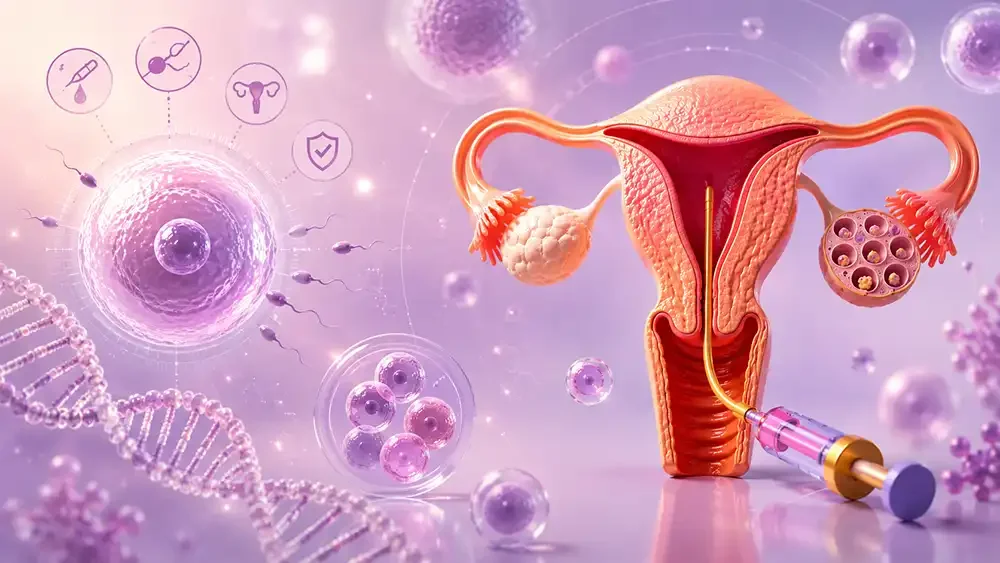
If you want to have a baby but pregnancy is not occurring, IVF does not always have to be the first option considered. In suitable couples, intrauterine insemination treatment (IUI) is a less invasive assisted reproductive method that aims to increase the chance of pregnancy by accurately determining the timing of ovulation and placing specially prepared motile sperm directly into the uterus. However, IUI is not suitable for everyone. One of the most important factors affecting success is selecting the right couple and starting treatment at the right time.
Gynecologist in Izmir Op. Dr. Sadık Sözdinler provides individualized infertility treatment for couples considering IUI treatment in Izmir by evaluating both female and male fertility factors together.

What Is IUI Treatment?
Intrauterine insemination, medically known as intrauterine insemination (IUI), is a procedure in which specially prepared motile sperm are placed directly into the uterus using a thin catheter. The aim is to help sperm bypass the cervix, shorten the distance they need to travel to reach the egg, and thereby support the possibility of fertilization.
Fertilization still occurs naturally within the woman’s fallopian tubes. In this respect, IUI differs from IVF treatment.
Who Is Suitable for IUI Treatment?
The decision to perform IUI depends on the underlying cause of infertility.
IUI may particularly be considered in cases such as:
-
Selected cases of unexplained infertility
-
Mild problems with sperm count or motility
-
Certain ovulation disorders
-
Some infertility conditions related to the cervix
-
Certain situations in which achieving pregnancy through sexual intercourse is difficult
For IUI to be considered, it is generally important that at least one fallopian tube is functional and that the sperm parameters are suitable for the procedure.
How Is IUI Treatment Performed?
The process may begin with natural ovulation monitoring or with medications used to stimulate the ovaries. Follicular development is monitored by ultrasound, and the appropriate time for ovulation is determined.
On the day of insemination, the sperm sample is prepared in the laboratory. After the motile and suitable sperm are separated, they are placed directly into the uterus through a thin catheter.
The procedure usually takes only a short time and does not require hospitalization.
What Is Sperm Washing in IUI?
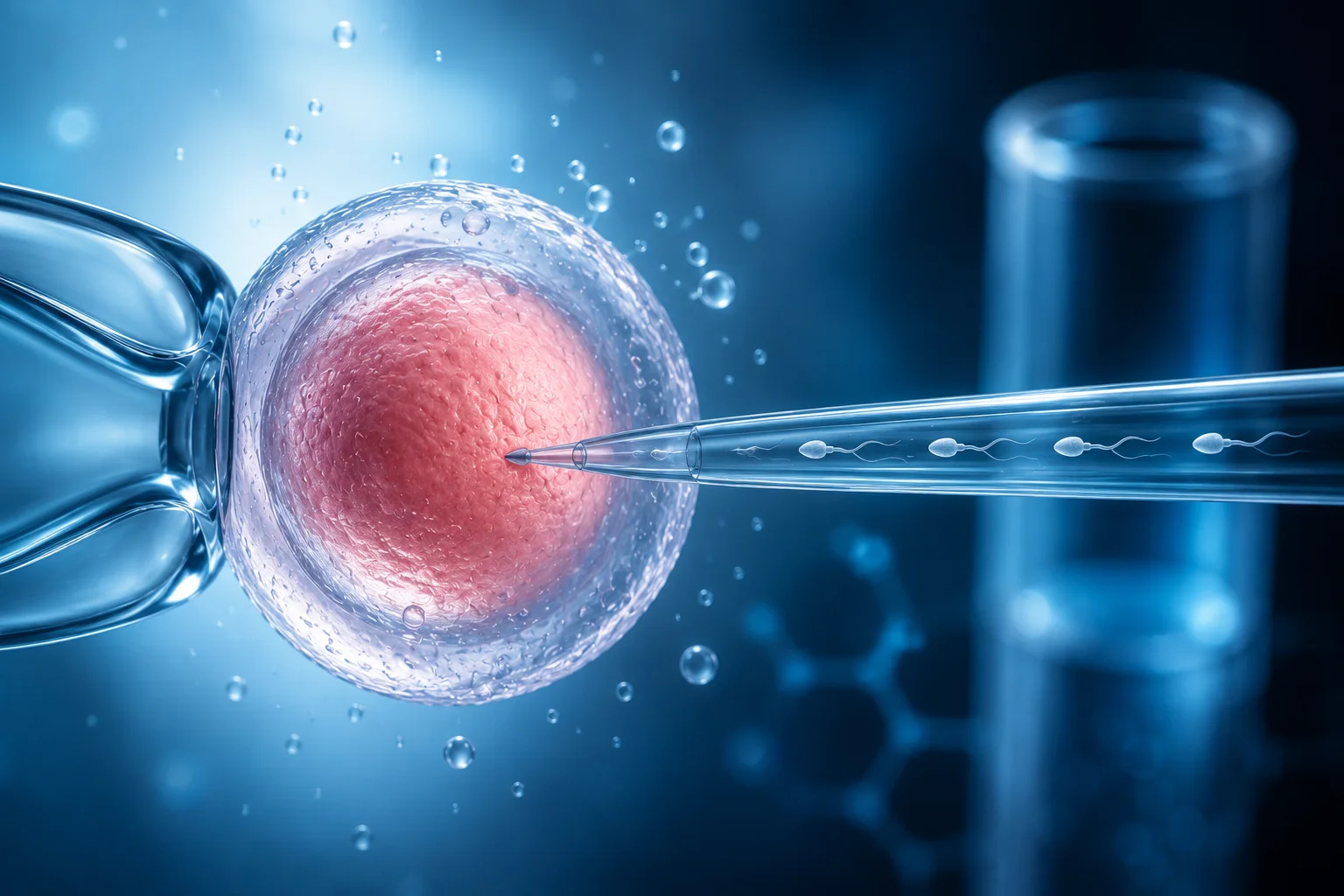
A semen sample should not be placed directly into the uterus. Therefore, before IUI, a laboratory procedure known as sperm preparation or sperm washing is performed.
During this process, seminal fluid and unwanted cellular components are separated from the sperm sample, while sperm with better motility are concentrated.
The prepared sperm sample is then used during the insemination procedure.
How Long Does IUI Treatment Take?
The insemination procedure itself is very short and usually takes approximately 5–10 minutes. If ovarian stimulation medications are used, treatment may begin during the early days of the menstrual cycle, and follicular development is monitored with ultrasound.
Once the appropriate timing for ovulation is determined, the insemination procedure is performed.
What Affects the Success Rate of IUI Treatment?
The success of IUI treatment is particularly influenced by the woman’s age, ovarian reserve, duration of infertility, condition of the fallopian tubes, and sperm characteristics.
As female age increases, natural fertility declines, which may also reduce the likelihood of success with IUI. Therefore, in women of advanced reproductive age or those with significantly reduced ovarian reserve, it may be necessary to consider alternative treatments without unnecessary delay.
When Should a Pregnancy Test Be Performed After IUI?
It is not possible to determine whether pregnancy has occurred immediately after the insemination procedure. Time is required for fertilization, embryo development, and implantation in the uterus.
A pregnancy test is generally planned approximately two weeks after IUI.
If an hCG-containing medication has been used to trigger ovulation, performing a pregnancy test too early may result in a false-positive result.
Is IUI Treatment Painful?
IUI is generally not considered a painful procedure. Mild cramping or brief discomfort may be experienced while the catheter passes through the cervix.
Mild pelvic discomfort or spotting may also occur after the procedure.
If severe pain, heavy bleeding, or fever develops, medical evaluation should be sought without delay.
What Is the Difference Between IUI and IVF?
In IUI, sperm are placed directly into the uterus, and fertilization is expected to occur naturally within the woman’s fallopian tubes.
In IVF treatment, eggs are retrieved from the ovaries, fertilized with sperm in a laboratory environment, and the resulting embryo or embryos are transferred into the uterus.
IVF is therefore a more comprehensive assisted reproductive treatment. The most appropriate treatment method should be determined according to the cause of infertility, the woman’s age, ovarian reserve, sperm parameters, and the results of previous treatments.
Reviews from Patients Who Underwent IUI Treatment
You can read reviews about Op. Dr. Sadık Sözdinler regarding IUI and infertility treatment by clicking the relevant links on Google, DoktorTakvimi, and Doktorsitesi.
Which Medical Department Should You Visit for IUI Treatment?
For IUI treatment, you should consult the Department of Obstetrics and Gynecology. Following an examination and fertility evaluation, the available treatment options are planned individually according to the patient’s overall reproductive health and the couple’s infertility factors.
Gynecologist Op. Dr. Sadık Sözdinler evaluates suitable couples for IUI treatment and plans the procedure according to their individual fertility characteristics.
Which Doctor Should You Consult for IUI Treatment in Izmir?
For IUI and infertility treatment in Izmir, you should consult a physician experienced in the field of obstetrics and gynecology and infertility.
A comprehensive evaluation of both female and male fertility factors is important before deciding whether IUI is an appropriate treatment option.
Conclusion
Starting IUI treatment immediately without first identifying the underlying cause of infertility is not the correct approach. The reason pregnancy has not occurred should first be investigated and evaluated.
In women, ovulation, ovarian reserve, the uterus, and the condition of the fallopian tubes are assessed, while in men, semen analysis is performed. This comprehensive evaluation helps determine which couples are suitable candidates for IUI.
Op. Dr. Sadık Sözdinler aims to prevent unnecessary delays for couples seeking infertility and IUI treatment in Izmir and to plan the most appropriate treatment according to each couple’s individual reproductive characteristics.
Frequently Asked Questions
Do the Fallopian Tubes Need to Be Open for IUI?
Because fertilization is expected to occur within the fallopian tubes, it is generally important for at least one fallopian tube to be open and functional.
How Many Times Can IUI Be Attempted?
There is no fixed number that applies to everyone. Depending on the woman’s age, the cause of infertility, ovarian reserve, and the results of previous IUI attempts, transitioning to IVF may be considered after several unsuccessful cycles.
How Many Eggs Are Needed for IUI?
The aim is to achieve controlled development of an appropriate number of follicles. If too many mature follicles develop, the cycle may be cancelled because of the increased risk of multiple pregnancy.
Is Bed Rest Necessary After IUI?
Prolonged bed rest is generally not necessary. Following the procedure, most patients can return to their normal daily activities in accordance with their doctor’s recommendations.
Is Sexual Intercourse Allowed After IUI?
In most cases, sexual intercourse is allowed. However, if the ovaries have been excessively stimulated or another specific medical situation exists, the doctor may provide different recommendations.
Is Spotting Normal After IUI?
Mild spotting may occur due to the passage of the catheter through the cervix. Medical evaluation is recommended if bleeding is heavy or persistent.
Does IUI Increase the Risk of Twins?
In IUI cycles where ovarian stimulation medications are used, the development of more than one egg may increase the risk of multiple pregnancy.
Can IUI Be Performed With Low AMH?
Low AMH alone does not necessarily mean that IUI cannot be performed. The woman’s age, antral follicle count, ovarian reserve, and other infertility factors should all be evaluated together.
When Does Menstruation Start If IUI Is Unsuccessful?
If pregnancy does not occur, menstruation generally begins around the expected time. Hormonal medications used during treatment may cause some variation in the timing of the menstrual period.
Is IVF Necessary If IUI Fails?
It may be necessary in some cases. The decision to proceed to IVF is based on factors such as the woman’s age, duration of infertility, ovarian reserve, sperm characteristics, and the number and outcome of previous IUI attempts.
This article is for informational purposes only and is not intended for diagnosis or treatment.
Op. Dr. Sadık Sözdinler | Obstetrics, Gynecology and Genital Aesthetics Specialist
Quick Appointment
Fill out our contact form now, and we will get back to you as soon as possible.