
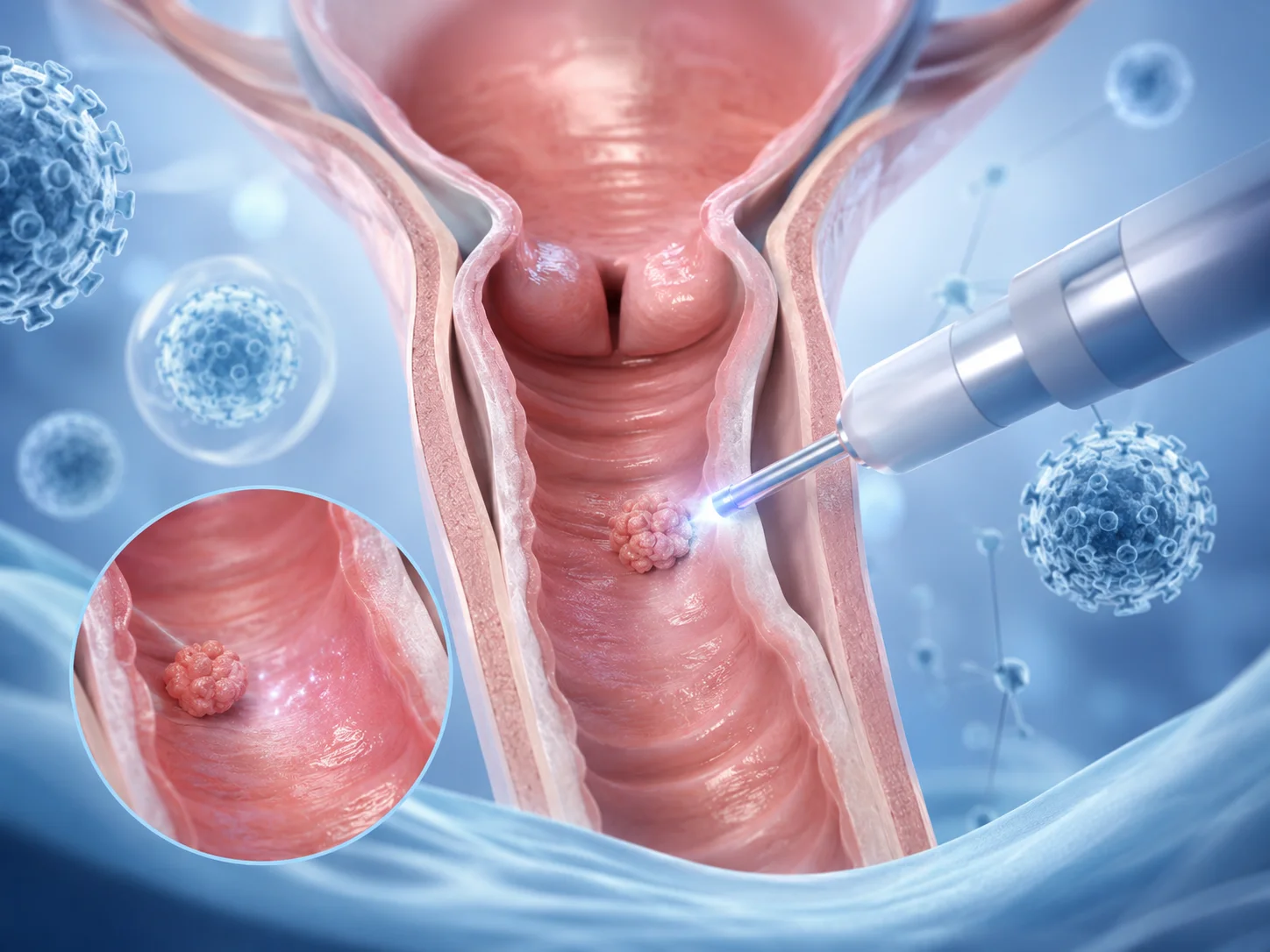
Genital wart treatment in Izmir is a topic many women search for while trying to find reliable answers to questions such as “Is this wart caused by HPV, is it contagious, can it cause cancer, can it be cauterized, can it recur, or can it be transmitted to my partner?” Genital warts are nothing to be ashamed of. They are a common women’s health condition associated with HPV and can be effectively managed with proper evaluation. However, attempting to burn the lesions at home, using creams purchased online without medical supervision, or delaying examination may increase the risk of irritation, spread, and inappropriate treatment. Gynecologist in Izmir Op. Dr. Sadık Sözdinler evaluates the location and number of genital warts, HPV-related risks, and the need for cervical screening while respecting patient privacy, and develops an individualized treatment plan.
What Is a Genital Wart?
A genital wart is a raised, rough, or skin-tag-like lesion that develops in the genital area, most commonly in association with HPV infection. In women, genital warts may occur on the vulva, vaginal opening, perineum, around the anus, in the groin area, and less commonly inside the vagina or around the cervix.
Not every lump in the genital area is a wart. Moles, skin tags, molluscum contagiosum, folliculitis, and various skin conditions can sometimes resemble genital warts. Therefore, a medical examination is important for an accurate diagnosis.
What Causes Genital Warts?
The most common cause of genital warts is infection with certain low-risk HPV types. HPV can be transmitted through skin-to-skin and mucosal contact. Unprotected sexual contact, multiple sexual partners, a weakened immune system, and direct contact with existing warts may increase the risk of transmission.
Genital warts may not appear immediately after HPV transmission. They can become noticeable weeks, months, or even longer after exposure. Therefore, it is often impossible to determine exactly when or from whom the infection was acquired.
For detailed information about HPV, you can read our “HPV” article.
What Are the Symptoms of Genital Warts in Women?
Genital warts may sometimes be noticed without causing any significant symptoms. In some patients, itching, tenderness, discomfort during sexual intercourse, or bleeding may occur. The lesions may appear individually or in clusters.
Symptoms and findings that should be evaluated include:
-
Rough bumps in the genital area
-
Small skin-tag-like growths
-
Wart-like lesions around the anus
-
Itching or irritation
-
Friction and discomfort during sexual intercourse
-
Rapid increase in lesions after shaving
-
Irregularities felt around the vaginal opening
How Is Genital Wart Treatment Performed?
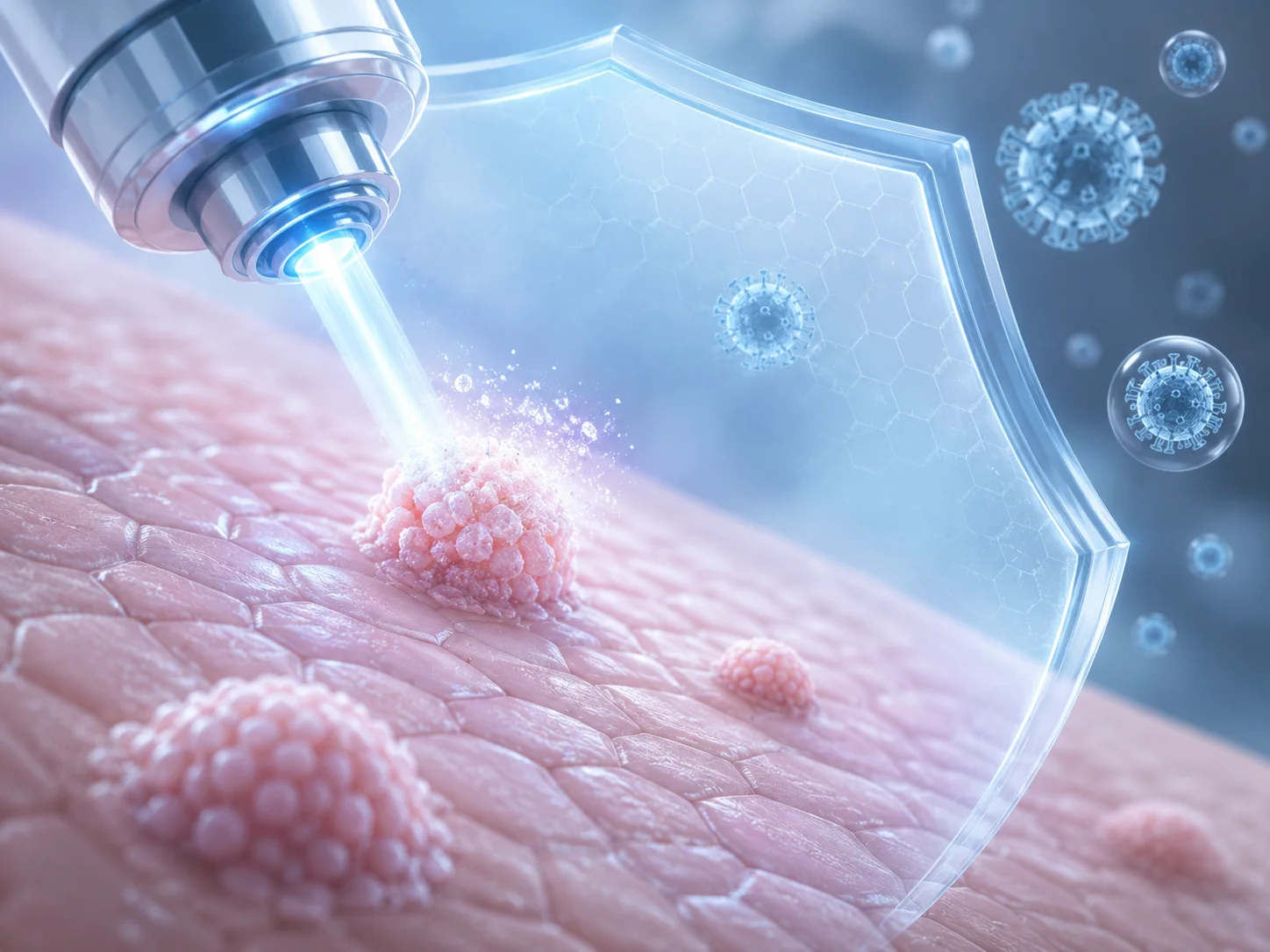
Genital wart treatment is planned according to the number, size, and location of the lesions, pregnancy status, immune system condition, and previous treatment history. There is no single standard treatment suitable for every patient.
Treatment options may include cauterization, freezing, surgical removal, or certain medical treatments. The main goals are to eliminate visible warts, reduce symptoms, control the spread of lesions, and provide accurate guidance regarding HPV follow-up.
What Is Genital Wart Cauterization?
Genital wart cauterization is a treatment method in which wart tissue is destroyed in a controlled manner to remove the lesion and limit further growth and spread. In suitable patients, the procedure can be performed under local anesthesia. It may be preferred particularly for raised, clearly visible, or multiple warts.
After the procedure, temporary tenderness, crusting, mild burning, or discomfort may occur. Inadequate wound care may increase the risk of irritation or infection. Therefore, post-procedure care instructions should be followed carefully.
Can Genital Warts Come Back?
Yes, genital warts can recur after treatment. This is because eliminating visible warts does not necessarily mean that HPV has immediately disappeared from the body. Immune system status, smoking, stress, new exposure, and the extent of the initial lesions may influence the risk of recurrence.
Recurrence does not always mean that the treatment has failed. Regular follow-up, early treatment of new lesions, and appropriate HPV monitoring remain important.
Can Genital Warts Cause Cancer?
The HPV types that most commonly cause genital warts are generally considered low-risk types. However, a person may also carry high-risk HPV types at the same time. Therefore, the presence of genital warts should not lead to neglect of cervical screening.
In women, Pap smear testing, HPV testing, and colposcopy when indicated are important for cervical health. Genital warts should not be considered only a cosmetic or external appearance issue.
What Should You Pay Attention to After Genital Wart Treatment?
-
Keep the treated area clean and dry
-
Do not remove scabs manually
-
Wait for your doctor’s approval before shaving or waxing
-
Resume sexual intercourse according to medical advice
-
Seek medical evaluation if new warts appear
-
Do not delay Pap smear or HPV testing if recommended
-
Discuss partner notification and evaluation with your doctor
Does the HPV Vaccine Protect Against Genital Warts?
The HPV vaccine can help protect against certain HPV types that cause genital warts as well as high-risk HPV types associated with cervical cancer. The highest level of protection is generally achieved before exposure to HPV, although vaccination may still be considered in some adults following medical evaluation.
The vaccine does not treat existing genital warts. However, it may help reduce the future risk of diseases caused by certain HPV types. Vaccinated individuals should still continue age-appropriate Pap smear and HPV screening.
Reviews of Patients Who Underwent Genital Wart and Colposcopy Treatment
You can read patient reviews about genital wart treatment and colposcopy performed by Izmir gynecologist and genital aesthetics specialist Op. Dr. Sadık Sözdinler by clicking the links for Google, DoktorTakvimi, and Doktorsitesi.
Which Medical Department Treats Genital Warts?
Women with genital warts should consult the Department of Obstetrics and Gynecology. After examination, treatment options are determined individually according to the patient’s clinical condition. Genital aesthetics specialist Op. Dr. Sadık Sözdinler may perform suitable treatments with appropriate pain-control methods in eligible patients.
Conclusion
Genital wart treatment is a sensitive process that requires privacy, accurate diagnosis, and appropriate medical evaluation. Obstetrician and Gynecologist Op. Dr. Sadık Sözdinler evaluates the location and number of genital warts, the need for vaginal and cervical examination, HPV screening, Pap smear results, vaccination eligibility, and partner-related risks together to create an individualized treatment plan.
The aim is to provide clear information without causing unnecessary anxiety, prevent harmful home treatments, treat genital warts using the appropriate method, and ensure safe follow-up of HPV-related risks. Do not postpone your concerns; schedule an appointment for genital wart evaluation and treatment.
Frequently Asked Questions
Can Genital Warts Go Away on Their Own?
Some genital warts may regress as the immune system controls the infection. However, medical evaluation is recommended because the lesions may grow, spread, or remain contagious.
Can I Use a Cream for Genital Warts at Home?
Creams, acids, or cauterizing products should not be used without medical advice. Improper products can cause burns, wounds, and severe irritation in the genital area.
Are Genital Warts Contagious?
Yes. HPV can be transmitted through direct skin or mucosal contact. Transmission may also occur even when visible warts are absent. Protection methods can reduce the risk but cannot eliminate it completely.
Can My Partner Also Have Genital Warts?
Yes. A partner may carry HPV even without visible symptoms. Partner notification and the need for evaluation should be discussed with your doctor.
Is Genital Wart Treatment Painful?
This depends on the treatment method. Local anesthesia can improve comfort during certain procedures. Mild burning, tenderness, or discomfort may occur afterward.
Can Shaving Spread Genital Warts?
Shaving may irritate existing lesions and potentially contribute to their spread to nearby areas. Shaving and waxing should therefore be approached carefully while active lesions are present.
Can a Pap Smear Be Performed When Genital Warts Are Present?
Yes, depending on the doctor’s assessment. Cervical screening should not be neglected simply because genital warts are present.
Can Genital Warts Be Treated During Pregnancy?
Yes, certain treatment methods may be used during pregnancy. However, treatment options are more limited and should be planned by an obstetrician and gynecologist.
Does Genital Wart Treatment Leave Scars?
The risk of scarring depends on the size and location of the wart, the treatment method, individual skin characteristics, and post-treatment wound care.
Which Doctor Should I See for Genital Warts?
Women can consult an obstetrician and gynecologist for genital wart evaluation, HPV follow-up, Pap smear testing, colposcopy, and HPV vaccination assessment.
This article is intended for informational purposes only and does not replace professional medical diagnosis or treatment.
Op. Dr. Sadık Sözdinler | Obstetrics, Gynecology and Genital Aesthetics Specialist
Quick Appointment
Fill out our contact form now, and we will get back to you as soon as possible.