
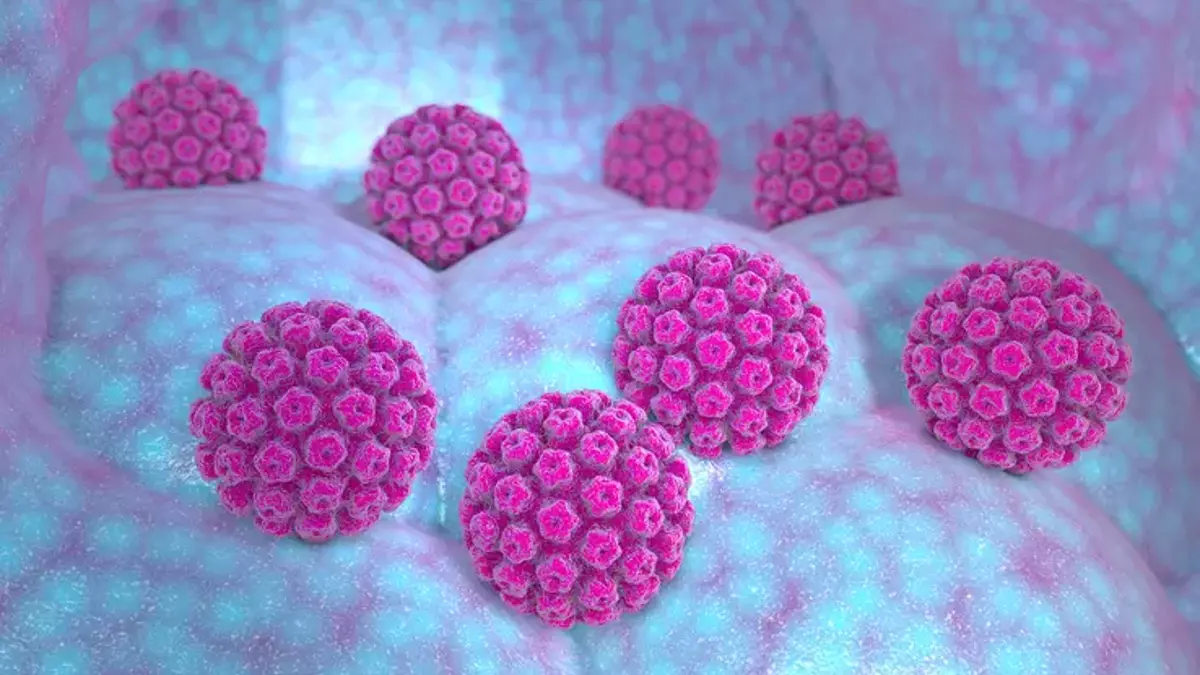
HPV (Human Papillomavirus) Diagnosis, Treatment, and Follow-up: Do Not Fear, Be Informed
Today, a vast majority of sexually active men and women encounter HPV (Human Papillomavirus) at some point in their lives. Finding out that you are “HPV Positive” as a result of a routine examination or test can create great anxiety, fear, or feelings of guilt in you. Contrary to the misinformation on the internet; carrying the HPV infection does not mean you have cervical cancer or that you will definitely get it. The important thing is to accurately determine the type of the virus and not to neglect the regular follow-up/treatment process accompanied by a specialist physician.
Op. Dr. Sadık Sözdinler manages the entire process from genital wart treatments to cervical screenings by applying the most current scientific approaches for his patients diagnosed with HPV in Izmir, taking care of your privacy and reassuring you.
What is HPV and How is it Transmitted?
HPV is a common family of viruses that settles on the skin and mucous membranes, with more than 200 different types. Transmission occurs mainly through skin-to-skin friction during sexual contact (vaginal, anal, or oral). After the virus enters the body, it can remain silent (dormant) for years without showing any symptoms. For this reason, it is often not possible to know for sure when or from whom the virus was transmitted.
HPV Types and Symptoms (Genital Warts)
HPV types are divided into two main groups, “Low Risk” and “High Risk,” according to their risk of causing cancer:
Low-Risk Types (Especially Type 6 and 11): They do not cause cervical cancer, but they cause cauliflower-like, painless, sometimes itchy skin tags called Genital Warts (Condyloma) in the outer genital area, at the entrance of the vagina, or around the anus.
High-Risk Types (Especially Type 16 and 18): They do not cause visible warts or symptoms. However, if they cannot be cleared from the body for many years, they can cause cellular changes (precancerous lesions) in the cervical cells.
How is HPV Diagnosed? (Smear and HPV Test)
Early diagnosis is vital due to the silently progressing nature of HPV. During a gynecological examination, a simple and painless swab is taken from the cervix to perform both a Pap Smear Test (looks for cellular changes) and an HPV DNA Test (detects the presence and type of the virus). Thanks to these tests, cellular deteriorations can be caught and treated years before they turn into cancer.
How Does the HPV Treatment and Follow-up Process Work?
There is no specific antibiotic or medication yet that will completely clear the HPV virus from the body. Most of the time, a strong immune system clears the virus from the body spontaneously within 1-2 years (clearance). However, in this process, it is essential to treat the effects created by the virus and stop its progression:
Genital Wart Treatment: Warts create aesthetic and hygienic problems and are highly contagious. In our clinic, depending on the number and size of the warts, they are completely cleared with Cauterization (burning), Cryotherapy (freezing), laser, or special creams.
Colposcopy and Biopsy: In patients carrying high-risk HPV or who have an abnormality in their Smear test, the cervix is examined by magnifying it with a special microscope called “Colposcopy.” Millimeter-sized biopsies are taken from suspicious areas.
LEEP or Conization (Cervical Shaving): If precancerous cells (CIN 2, CIN 3) are detected in the cervix, this problematic tissue is shaved and removed with the help of a thin wire (LEEP procedure) under local anesthesia. In this way, the progression of the disease to cancer is prevented by almost 100%, and the uterus is preserved.
The HPV Vaccine Saves Lives
Cervical cancer is the only type of cancer in the world that can be prevented by a vaccine. The HPV vaccine provides high protection against the most dangerous and wart-causing types of the virus. Even if you have had HPV before or have been treated, it is strongly recommended that you be vaccinated to gain immunity against other types and reduce the risk of recurrence.
You can schedule your appointment immediately to answer the questions on your mind about HPV, have your screening tests (Smear/HPV) done, or have your existing warts treated.
