Whatsapp Contact
Contact us via WhatsApp: +90 (532) 342 68 24.
Women’s health is a vital field that directly impacts an individual’s quality of life and requires a dedicated approach. With this philosophy, the gynecological evaluation and monitoring processes conducted by Op. Dr. Sadık Sözdinler are handled in accordance with scientific data and the latest medical advancements.
Specializing in Obstetrics and Gynecology, Op. Dr. Sadık Sözdinler adopts a comprehensive approach to the diagnosis and treatment of gynecological diseases, pregnancy follow-ups, menopause management, HPV and infection processes, and genital aesthetic procedures.




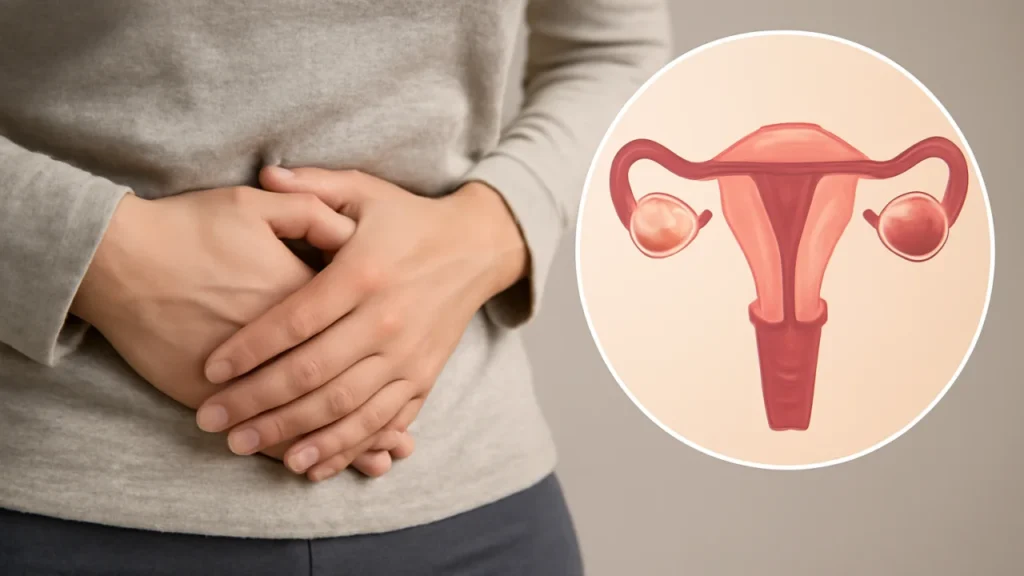



Even if you have no complaints, it is medically recommended to have a regular gynecological examination and ultrasound check at least once a year for cervical cancer screening (Pap smear and HPV test) and the early diagnosis of silently progressing diseases such as ovarian cysts or fibroids.
Because laparoscopic (closed) surgical methods do not involve a large incision in your abdomen and are performed through millimeter-sized holes, the healing process is very fast. Our patients are usually discharged the day after surgery and can return to their daily routines and desk jobs within 3-5 days.
No, it absolutely does not. Labiaplasty and other aesthetic procedures performed on the external genital area (genital bleaching, outer lip fillers, etc.) are completely independent of the anatomical region where the hymen is located. Since the procedure is only performed on the outer skin folds, it carries no risk regarding virginity.
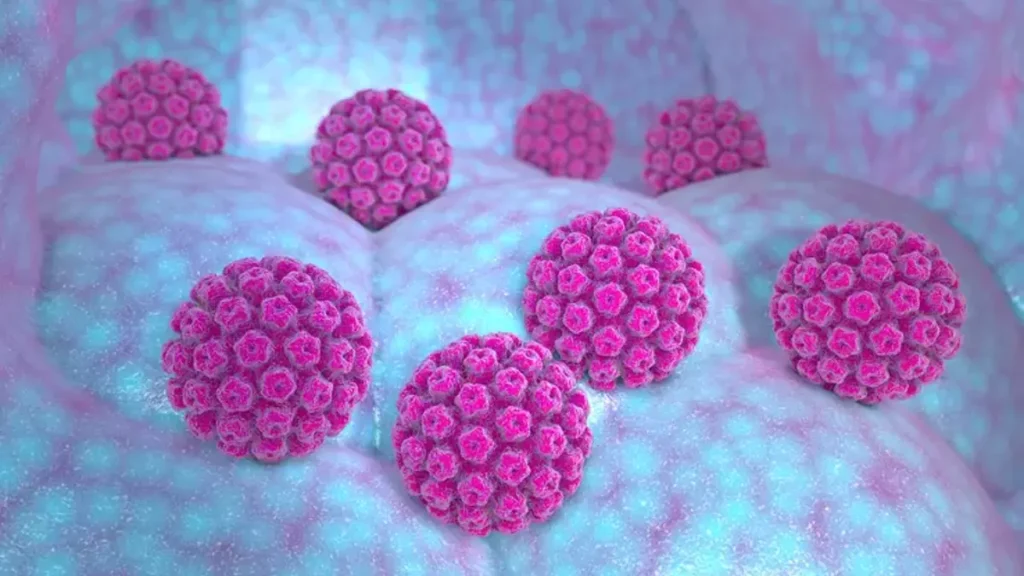
Existing warts are permanently cleared with cauterization (burning) or laser procedures and do not recur in the same spot. However, since the HPV virus remains in the body, new warts may form in different areas during periods when the immune system is weakened. Therefore, supporting immunity post-procedure, maintaining regular follow-ups, and getting the HPV vaccine minimizes the risk of recurrence.
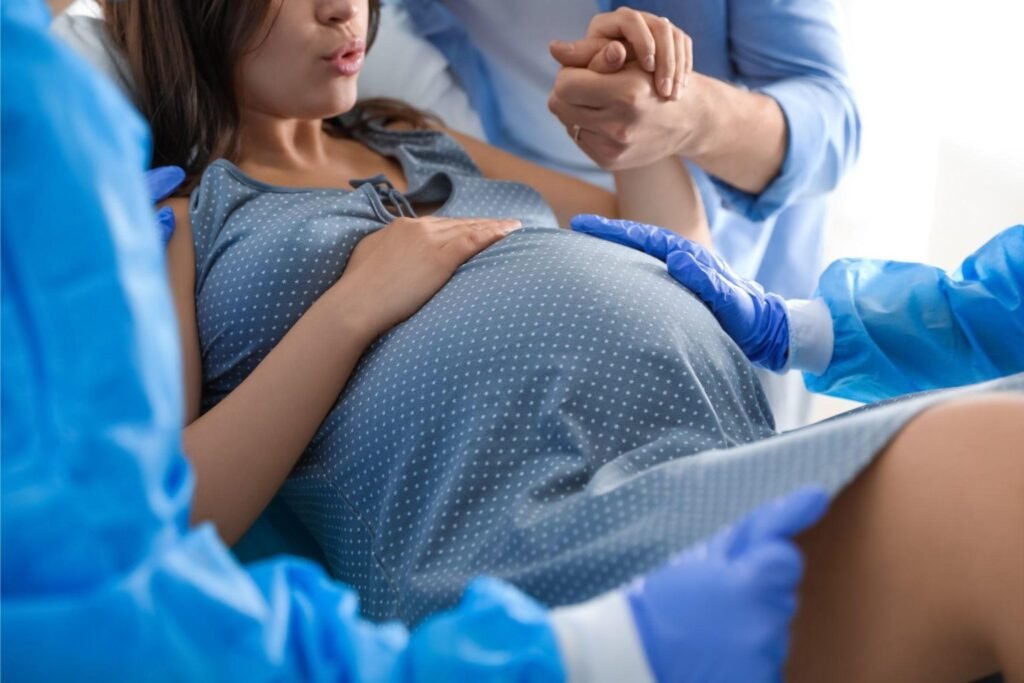
The detailed ultrasonography procedure, where the baby’s organ development can be examined most clearly and anatomical abnormalities can be evaluated, is ideally performed between the 18th and 24th weeks of pregnancy.
The treatment plan varies depending on the type and severity of urinary incontinence. For urge-type or mild urinary incontinence, non-surgical methods such as pelvic floor exercises (Kegels), medication, or genital PRP yield successful results. However, for severe “stress-type” incontinence that occurs with coughing and sneezing, sling surgeries called TOT, which take a short time and offer a permanent solution, are generally preferred.
Both procedures are extremely comfortable medical treatments performed under clinical conditions without the need for general anesthesia. Thanks to local anesthetic creams applied to the area before the procedure, our patients do not feel any pain during the process. It is completed in an average of 15-20 minutes, and patients can return to daily life immediately.
The moment the Bartholin abscess is drained, the patient is instantly relieved of severe pain and experiences great comfort. Recovery is very fast after the “marsupialization” procedure, where we create a permanent canal to prevent the cyst from recurring. The stitches dissolve on their own, and patients return to their routine lives within a few days; it is only recommended to avoid tub baths, pools, and sexual intercourse for 3-4 weeks.