
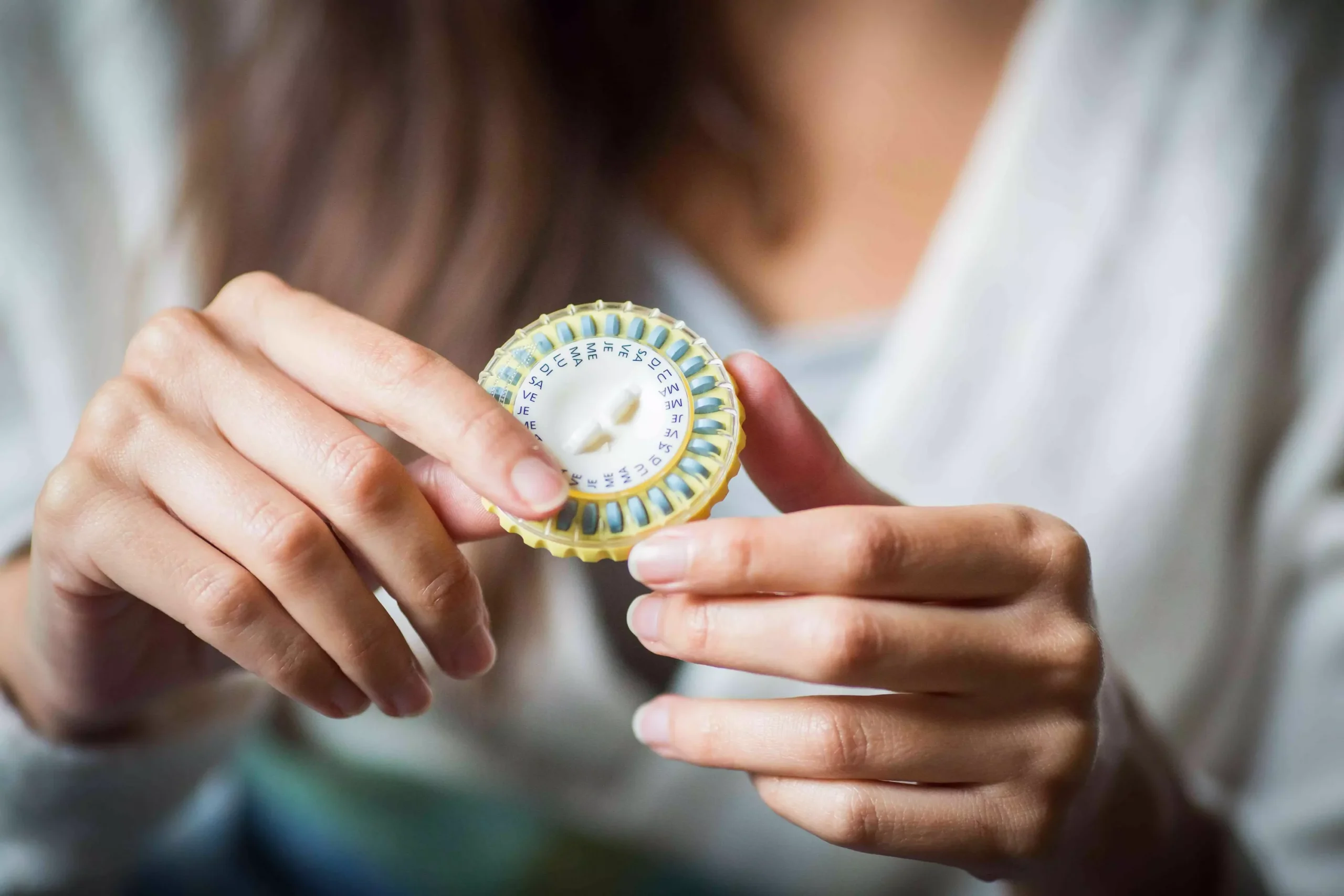
Hormone Replacement Therapy (HRT): Regain Your Quality of Life During Menopause
With the onset of menopause, the decrease in estrogen and progesterone hormones in the female body can cause many complaints that make daily life difficult, such as hot flashes, night sweats, sleep disorders, and vaginal dryness. Enduring these complaints in silence by calling them a “natural quirk of womanhood” or avoiding treatment due to unfounded fears circulating on the internet unnecessarily lowers your quality of life.
Op. Dr. Sadık Sözdinler provides completely personalized and reliable Hormone Replacement Therapy (HRT) planning for his patients experiencing menopause symptoms in Izmir, in light of current scientific guidelines.
What is Hormone Replacement Therapy (HRT)?
Hormone Replacement Therapy is the process of restoring the estrogen and (when necessary) progesterone hormones, which the ovaries stop producing with menopause, back into the body in low doses through external medications. Our goal is not to raise the hormone levels in the body to the levels of your youth, but simply to provide the “lowest effective dose” that will eliminate the severe complaints caused by menopause and protect the body.
Which Complaints Does HRT Eliminate?
Hormone therapy, started in the right patient and at the right time, is the most effective known method in menopause management:
Vasomotor Symptoms: It reduces severe hot flashes and night sweats by up to 90% or completely eliminates them.
Vaginal and Urinary Health: It treats vaginal dryness, thinning (atrophy), and the resulting painful sexual intercourse. It also reduces the frequency of urinary tract infections.
Osteoporosis Protection: It stops the rapid bone loss that develops due to estrogen deficiency and significantly reduces the risk of hip and spine fractures that can occur in later years.
Psychological and Cognitive Relief: It improves sleep quality and alleviates mood swings, depressive moods, and focus problems related to menopause.
Is Hormone Therapy Safe? Does It Cause Cancer?
The biggest concern among women regarding HRT is the widespread belief that it increases the risk of breast cancer. However, current data in modern medicine has proven that hormone therapy is extremely safe when applied “to the right patient, at the right age, in the right dose, and under expert follow-up.”
Before a treatment decision is made, a detailed gynecological examination, breast ultrasound/mammography, bone density measurement, and blood tests are performed by Op. Dr. Sadık Sözdinler. This treatment is not applied to patients with a history of breast cancer, unexplained vaginal bleeding, active liver disease, or a serious risk of vascular occlusion (blood clotting). Non-hormonal alternative treatment methods are planned for these patients.
How is HRT Administered?
Hormone therapy is not a “one-size-fits-all” treatment. The method of administration varies depending on whether the patient has undergone uterine surgery (hysterectomy) and the type of their complaints:
Oral pills,
Transparent patches applied to the skin,
Gels or sprays applied to the skin,
If there is only a vaginal dryness problem, it can be prescribed locally in the form of vaginal creams and suppositories.
You do not have to overcome the difficulties brought by menopause alone. You can schedule an appointment to evaluate your complaints in detail and to create the most suitable and safe treatment plan for you.
